Learning Resources
Start here
New to the game? These three guides take you from zero to a full hand, then the rules and tactics that follow.
-
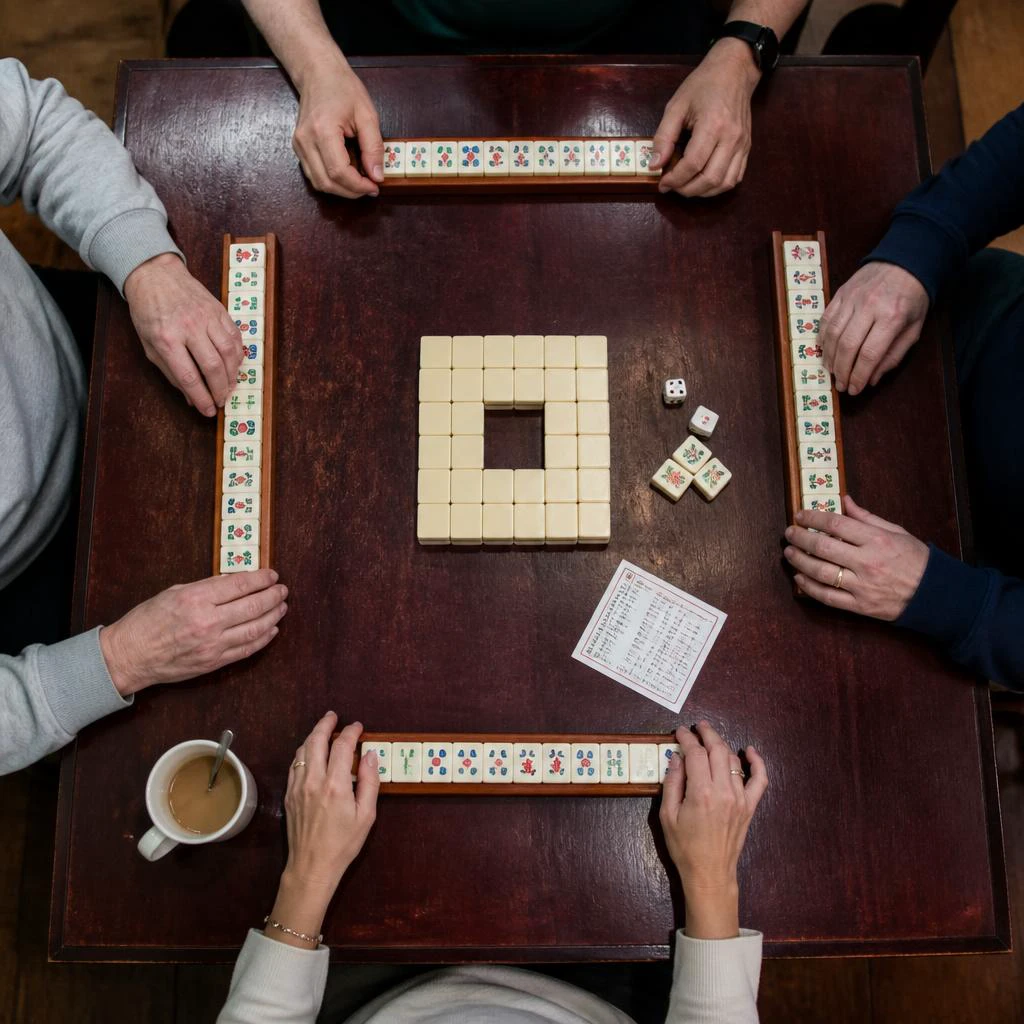
How to Play Mahjong for Dummies
A beginner-friendly walkthrough of mahjong rules, tile types, and step-by-step gameplay so you can sit down at a table and start playing with confidence.
-
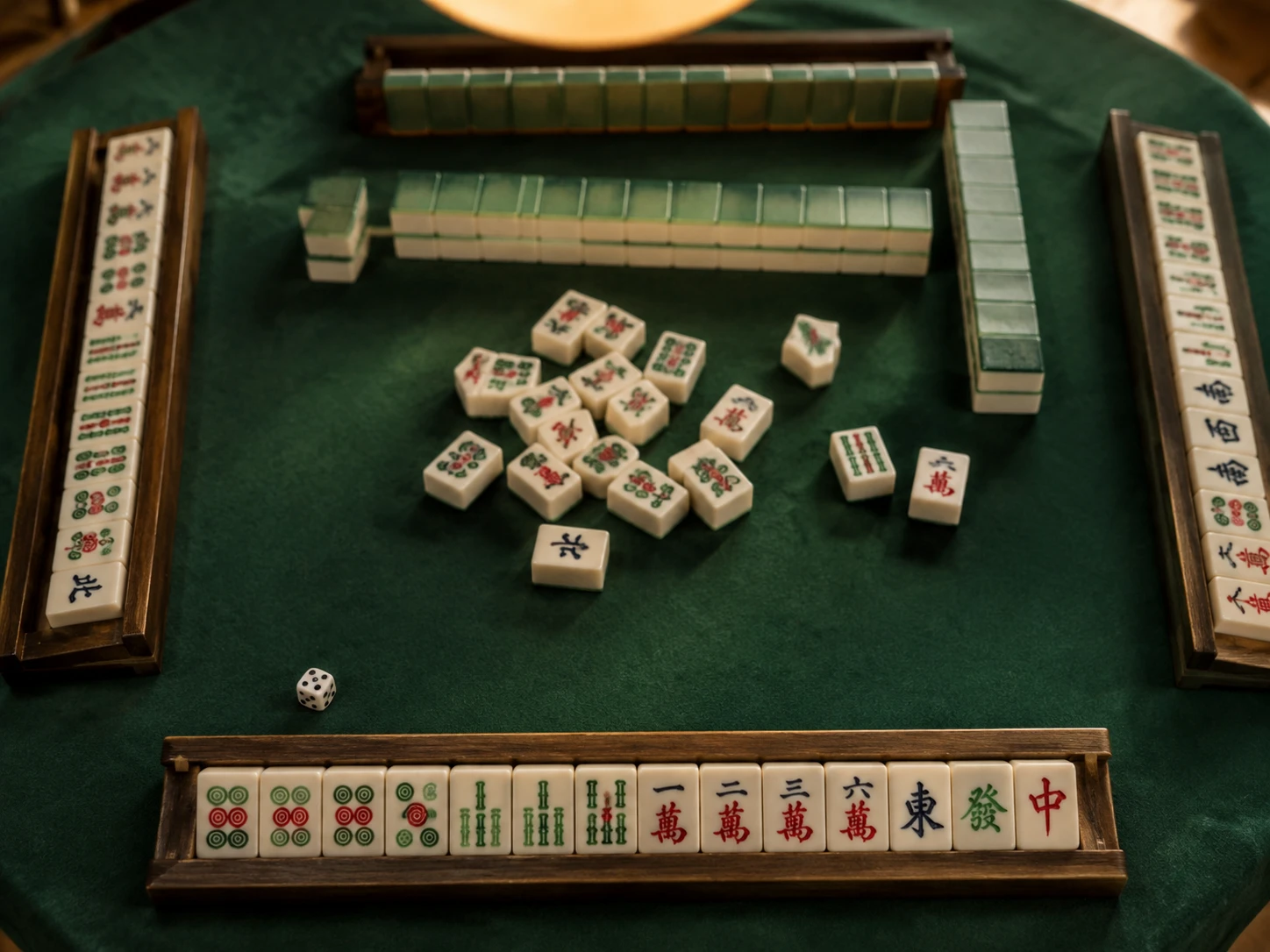
30+ Mahjong Terms Glossary: Every Word New Players Should Master
A practical glossary of 30+ mahjong terms every beginner needs — covering tiles, melds, actions, and American mahjong vocabulary so you can sit at…
-
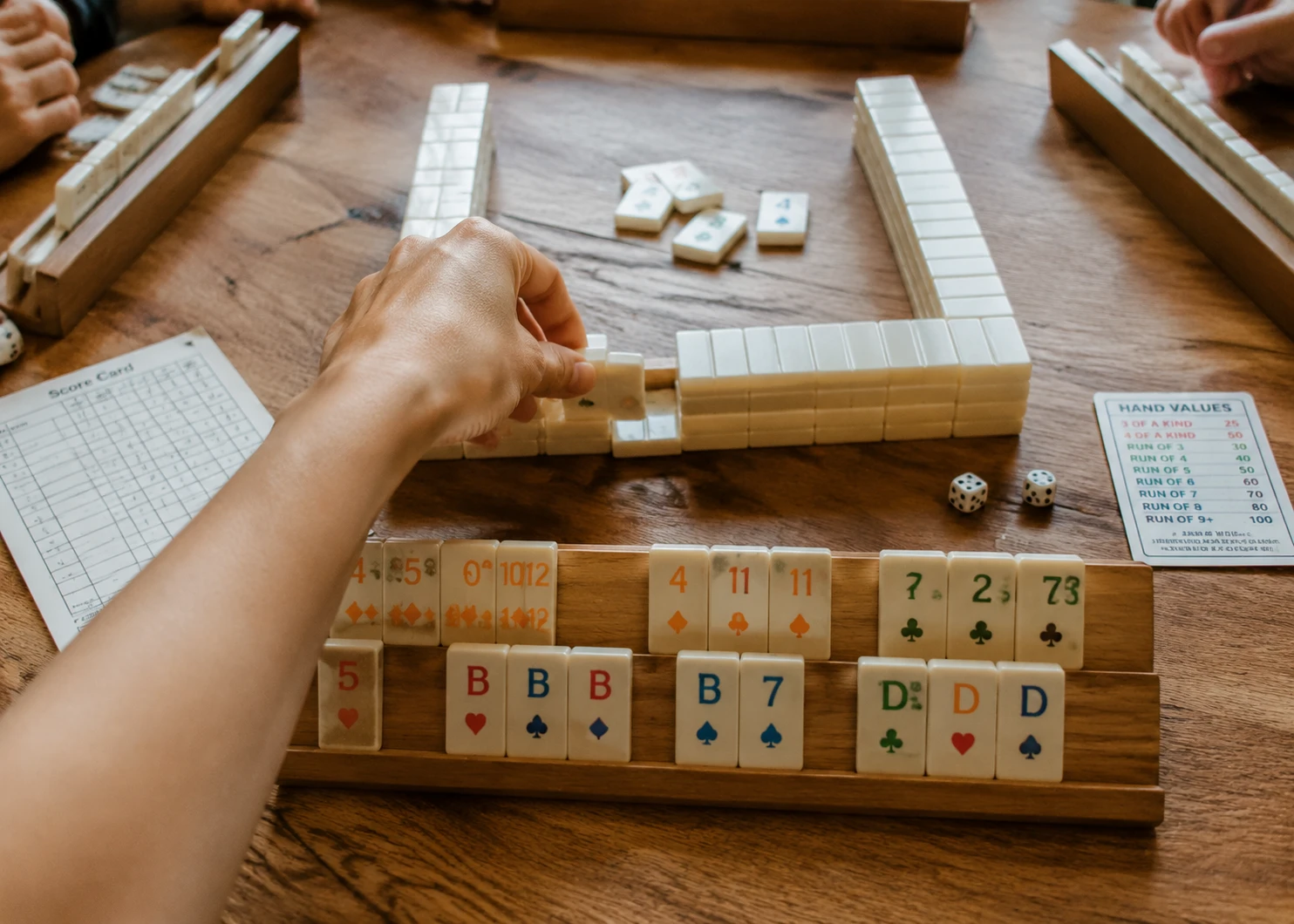
Is Mahjong Hard to Learn? The Complete Mahjong Learn Guide
Wondering if mahjong is hard to learn? This guide breaks down the real learning curve, the best variant to start with, and a step-by-step…
Learn to Play
The basics: how the game works, what to buy first, and how to finish a hand.
-
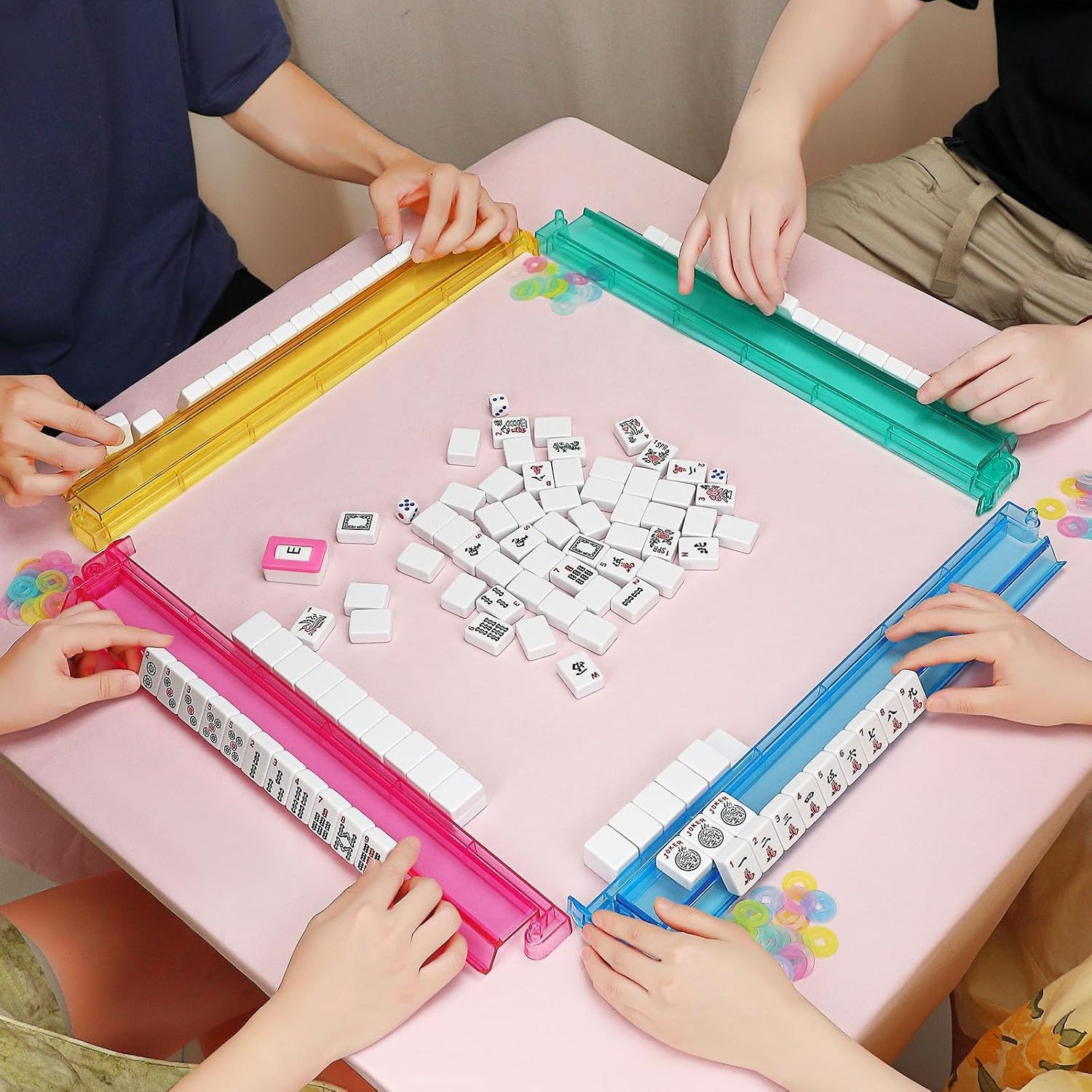
How to Set Up Mahjong Tiles: A Complete Step-by-Step Guide
Step-by-step guide to setting up mahjong tiles for American and Chinese styles — wall-building, dealing, rack organization, and display tips.
-
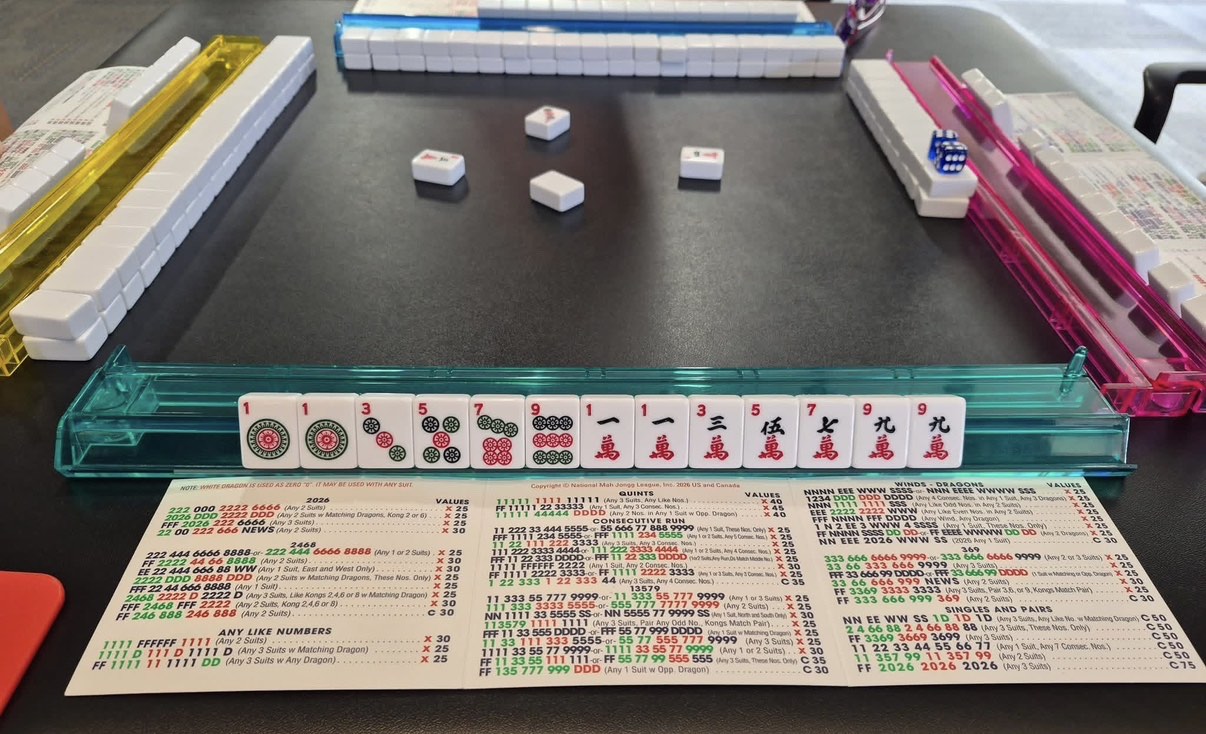
Mahjong Pronunciation: How Do You Pronounce Mahjong
A clear guide to mahjong pronunciation in English and Mandarin, covering phonetics, common mistakes, spelling variants, and the word's origin — so…
-
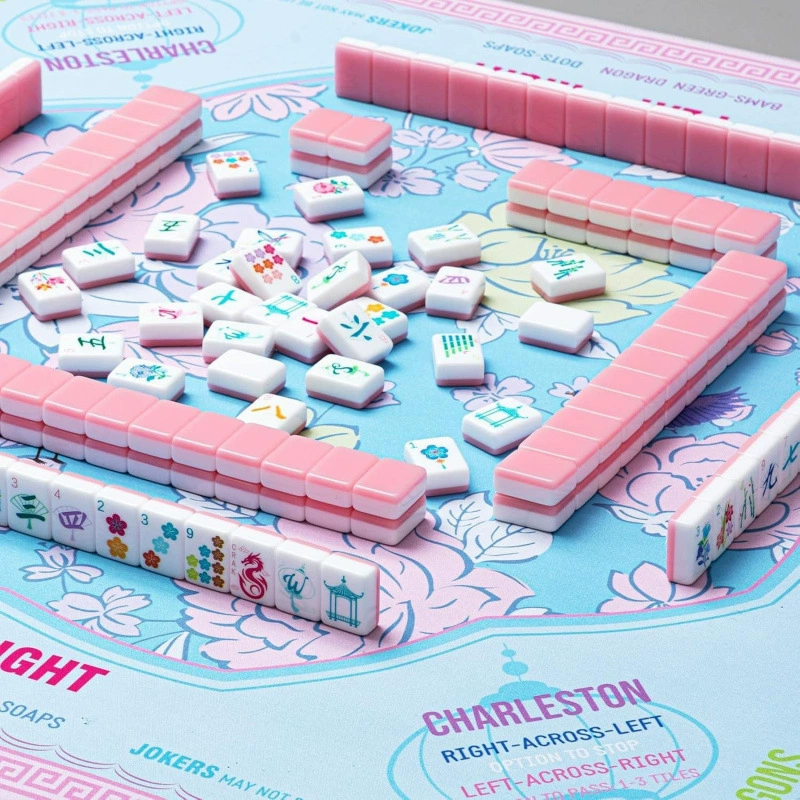
How Many Mahjong Tiles in a Set
A complete guide to how many tiles are in a mahjong set across Chinese, American, Japanese, and Hong Kong variants — with…
-
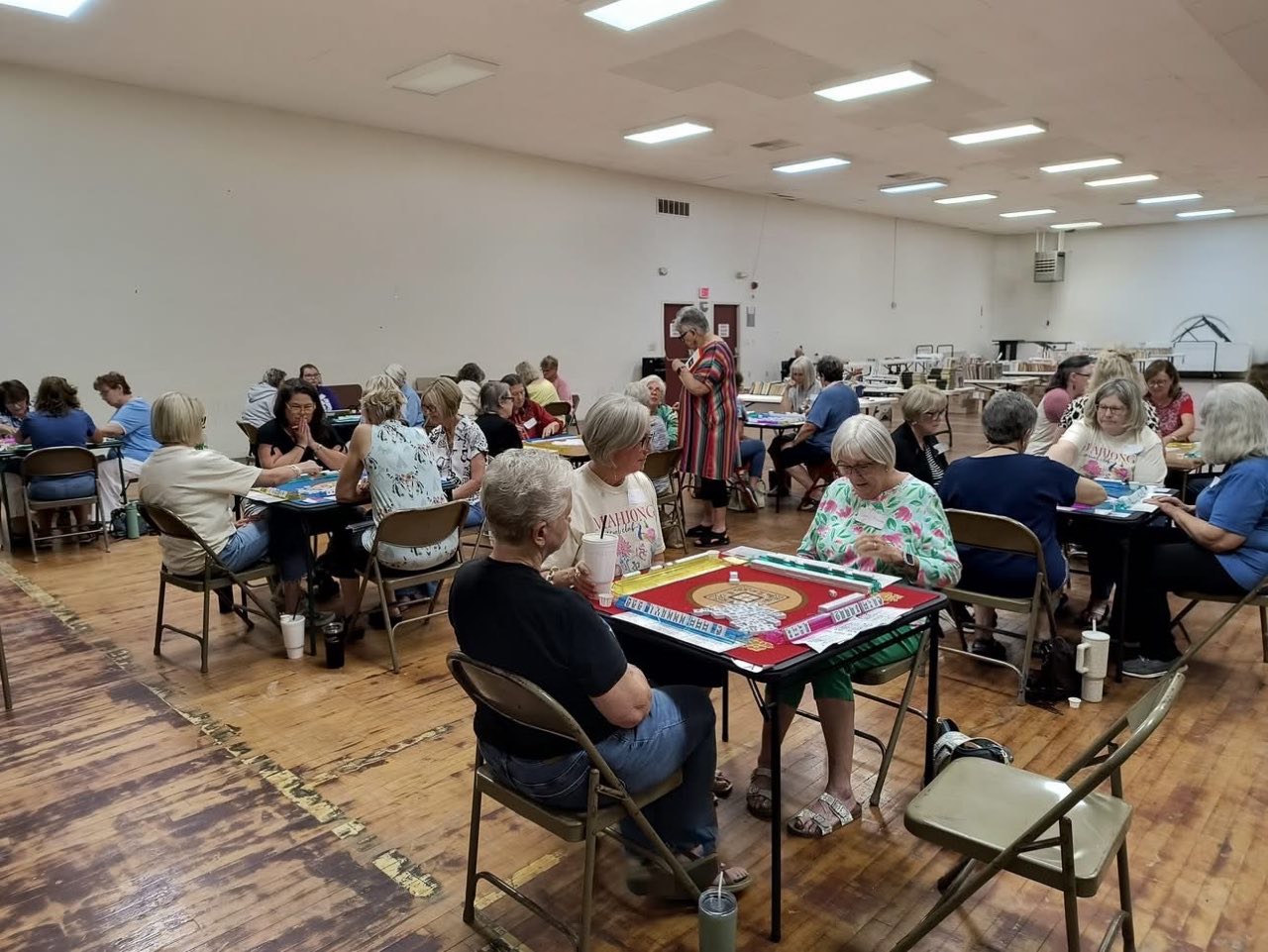
How to Play Mahjong with 2 Players
Mahjong can absolutely be played with just two people using the Siamese variationEach player manages two hands simultaneously, adding strategic depthSetup is…
-
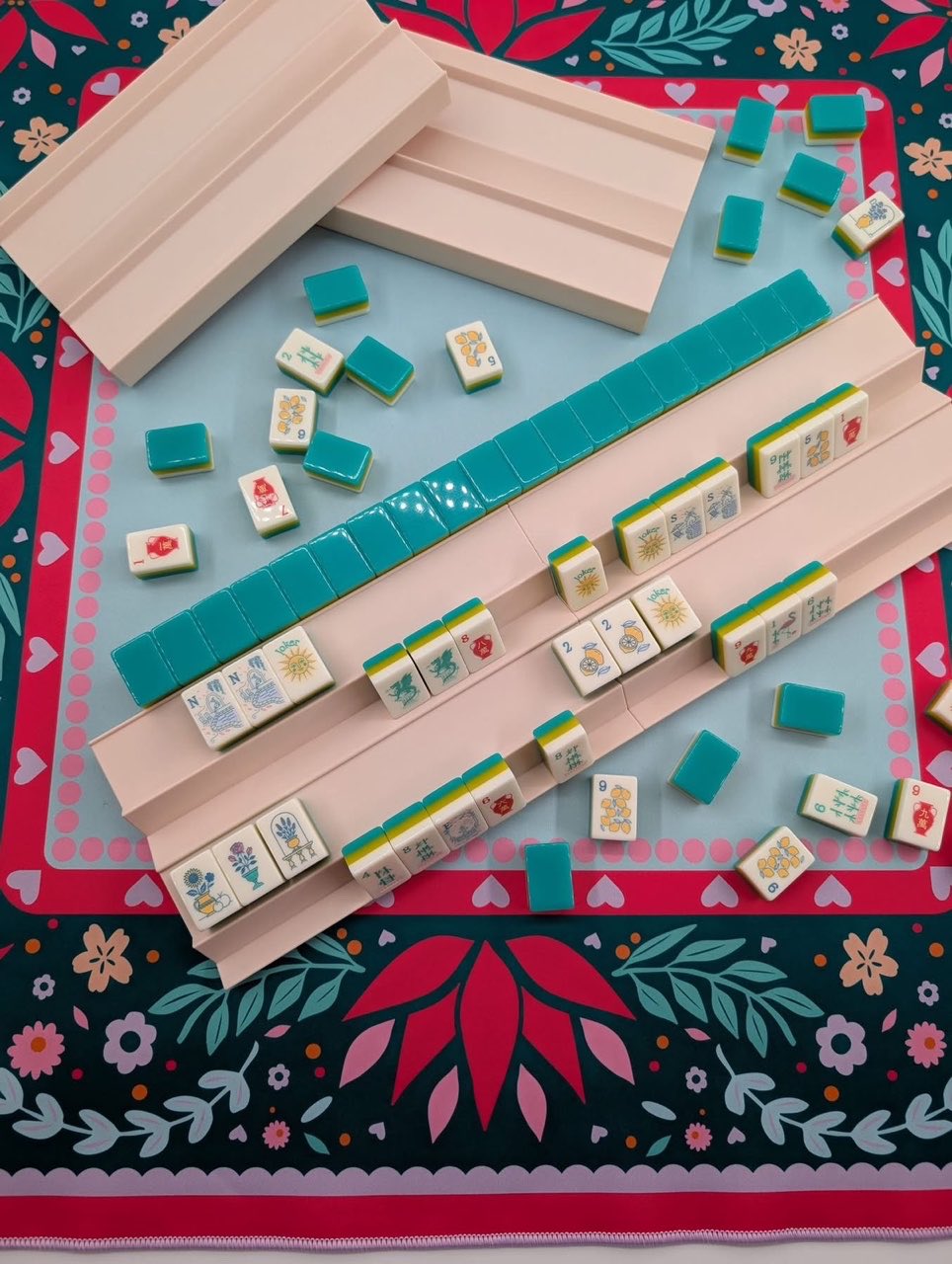
How to Play Mahjong: American Mahjong Guide
American mahjong is a 4-player tile game using an annual NMJL card with 25–30 winning hand patternsA standard set includes 152 mahjong…
-
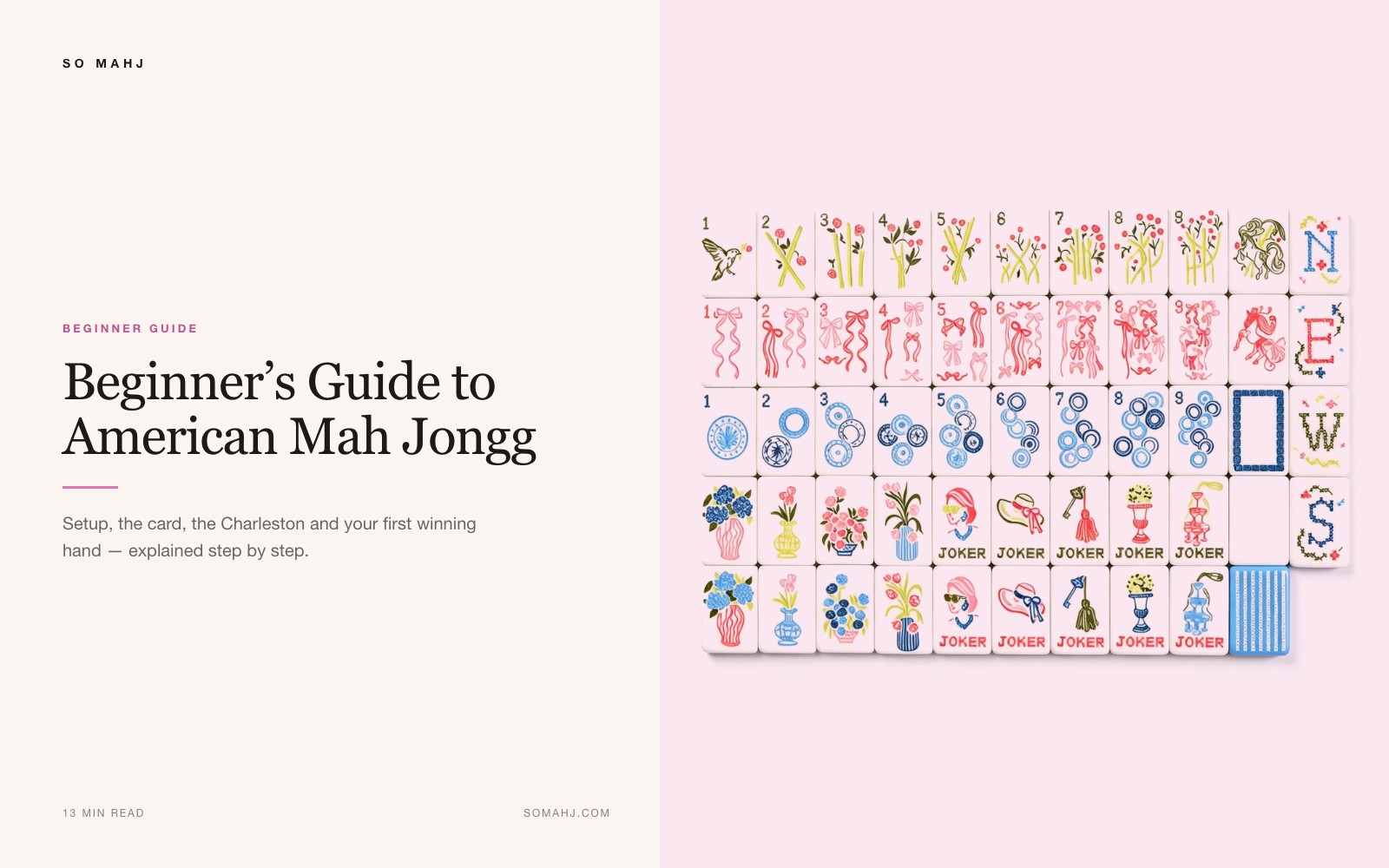
Beginner’s Guide to American Mah Jongg
Master American Mah Jongg with our official beginner’s guide. Learn NMJL rules, the Charleston, Joker usage, and fix common new player mistakes…
-
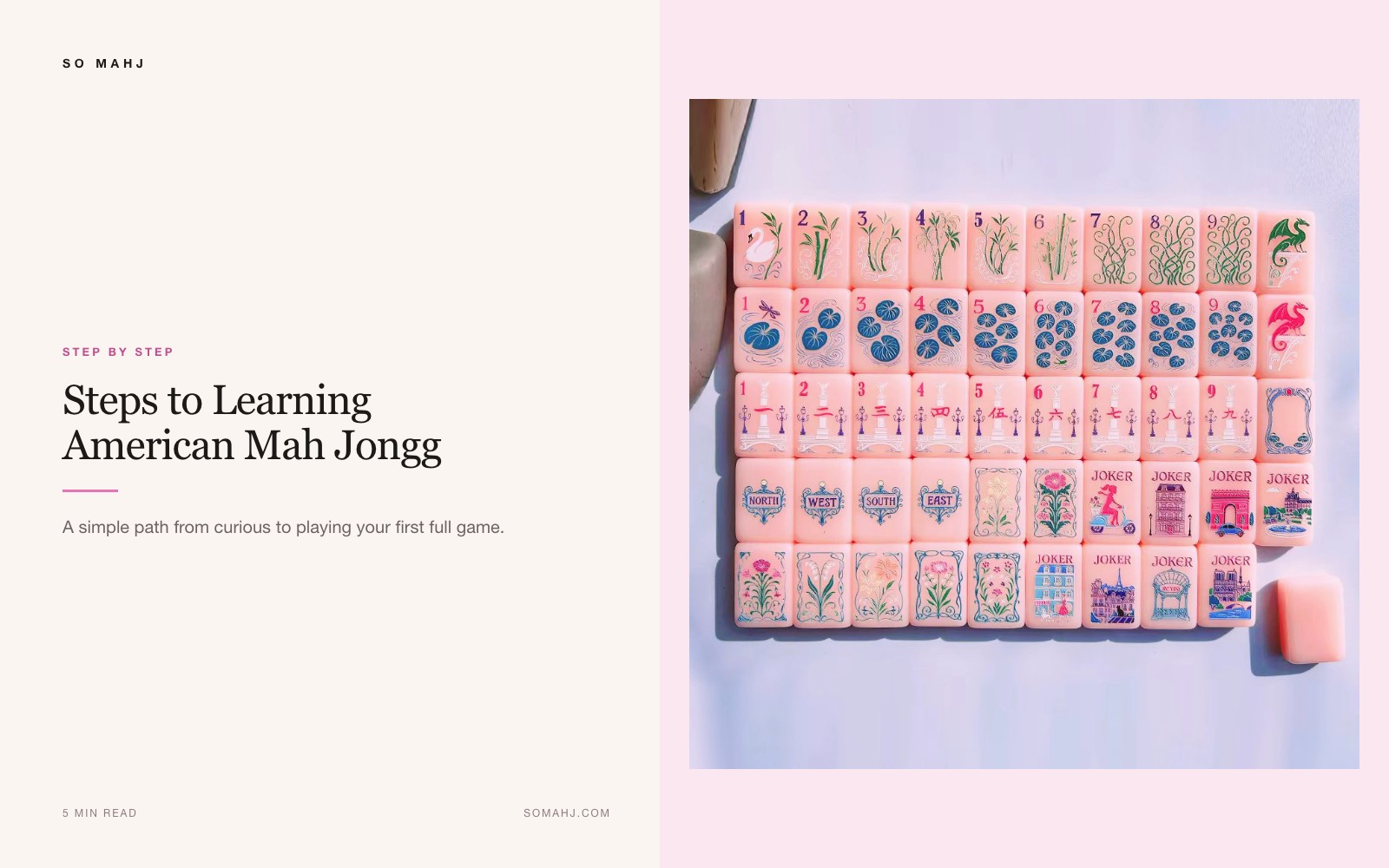
Steps to learning American Mah Jongg
These steps follow official NMJL gameplay order, and are structured to build knowledge gradually so beginners don’t feel overwhelmed. Our recommended steps:…
-
What is Mahjong?
Mahjong (which is also referred to as Mah Jongg, Mah-Jongg, Maahj or Mahj) is a popular tiles-based game, which originated in China…
Rules & Strategy
Hands, calls and card reading, plus the tactics that win more games.
-
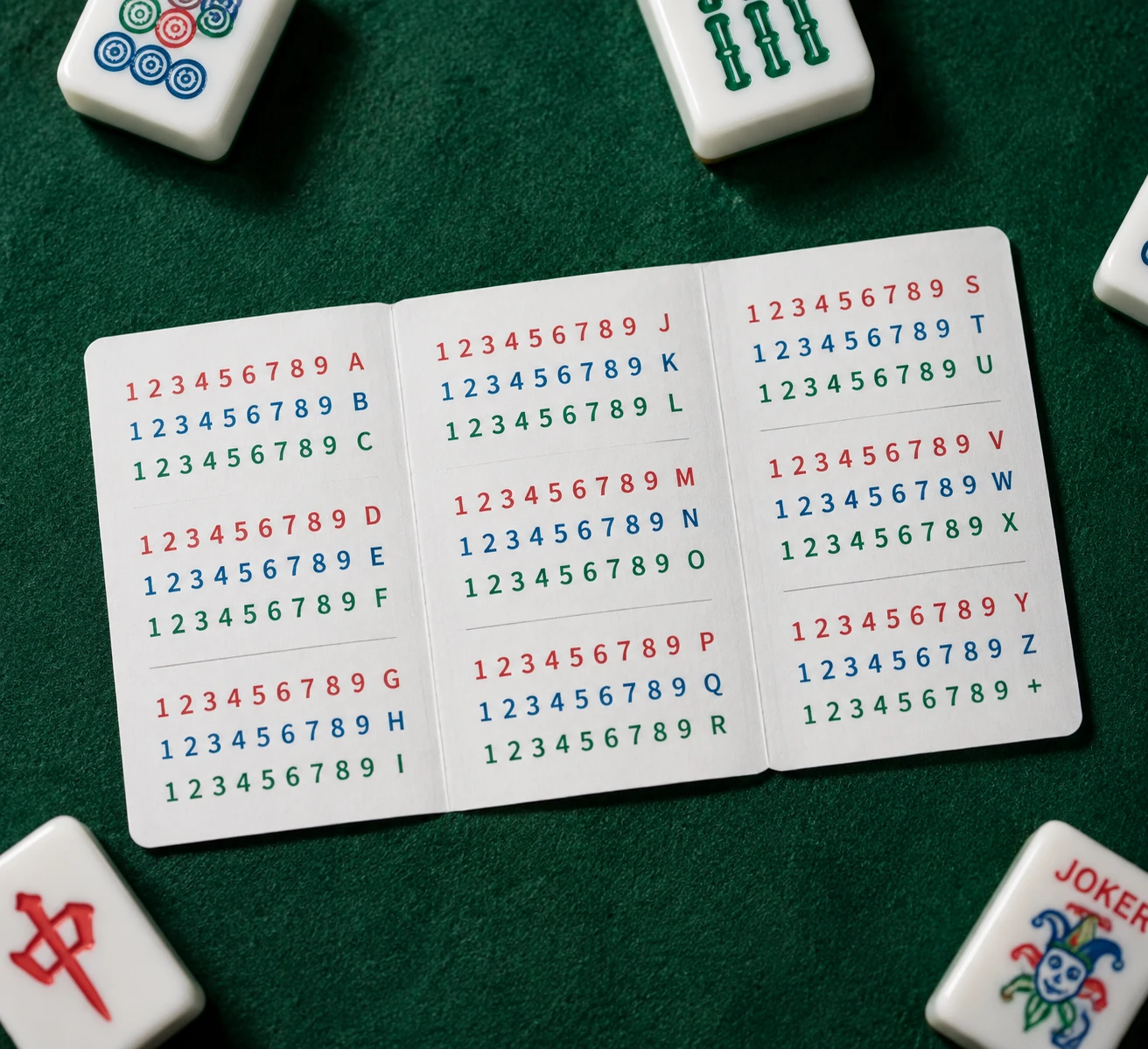
How to Read Mahjong Cards Step by Step?
A clear, beginner-friendly walkthrough of every symbol, color code, and abbreviation on the American Mahjong card — plus what is new on…
-
What Is a Chow in Mahjong?
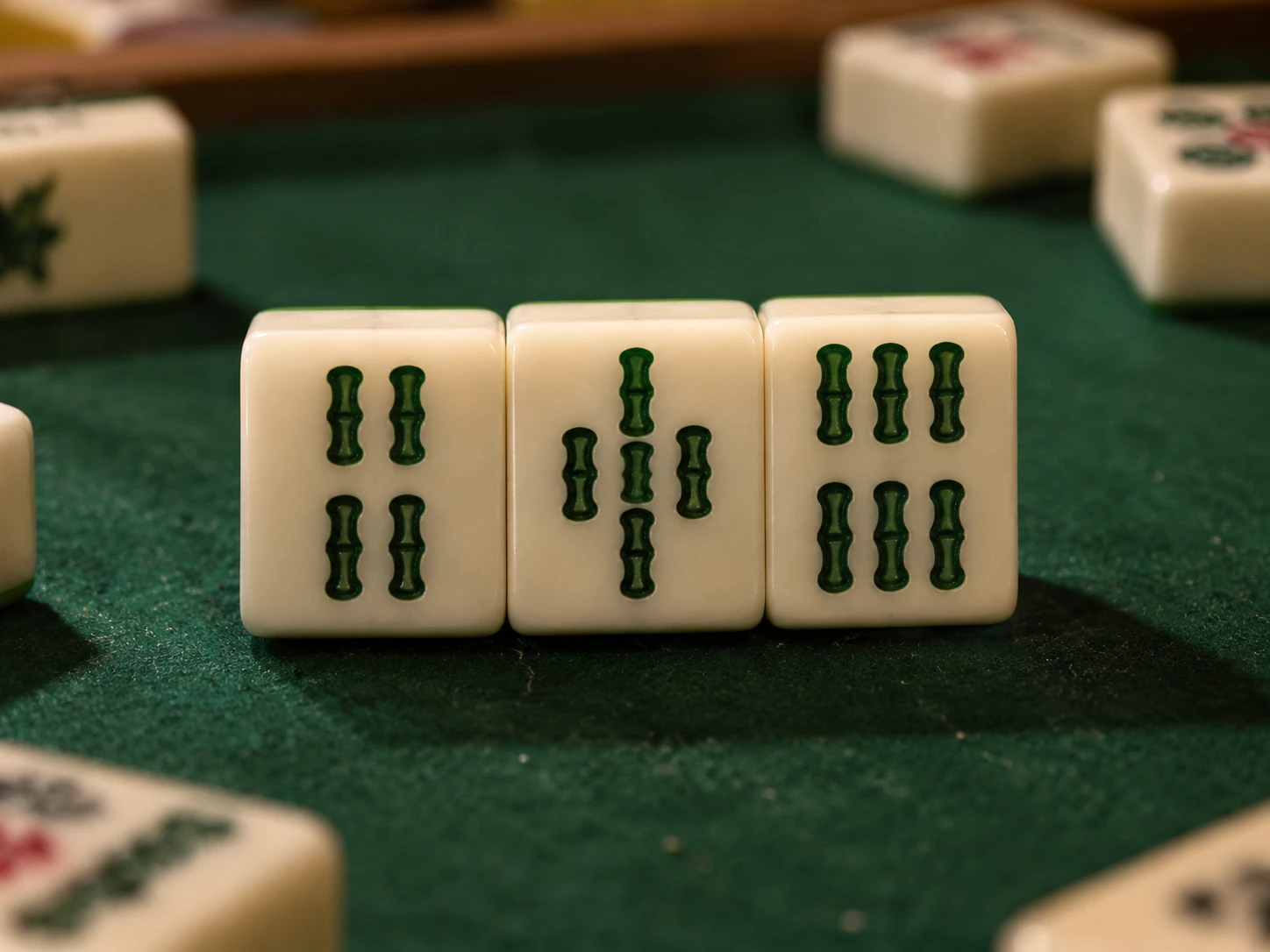
A chow is one of the core melds in mahjong — three consecutive tiles from the same suit. This guide covers how…
-
American Mahjong vs Chinese Mahjong: Key Differences, Rules & Which to Choose
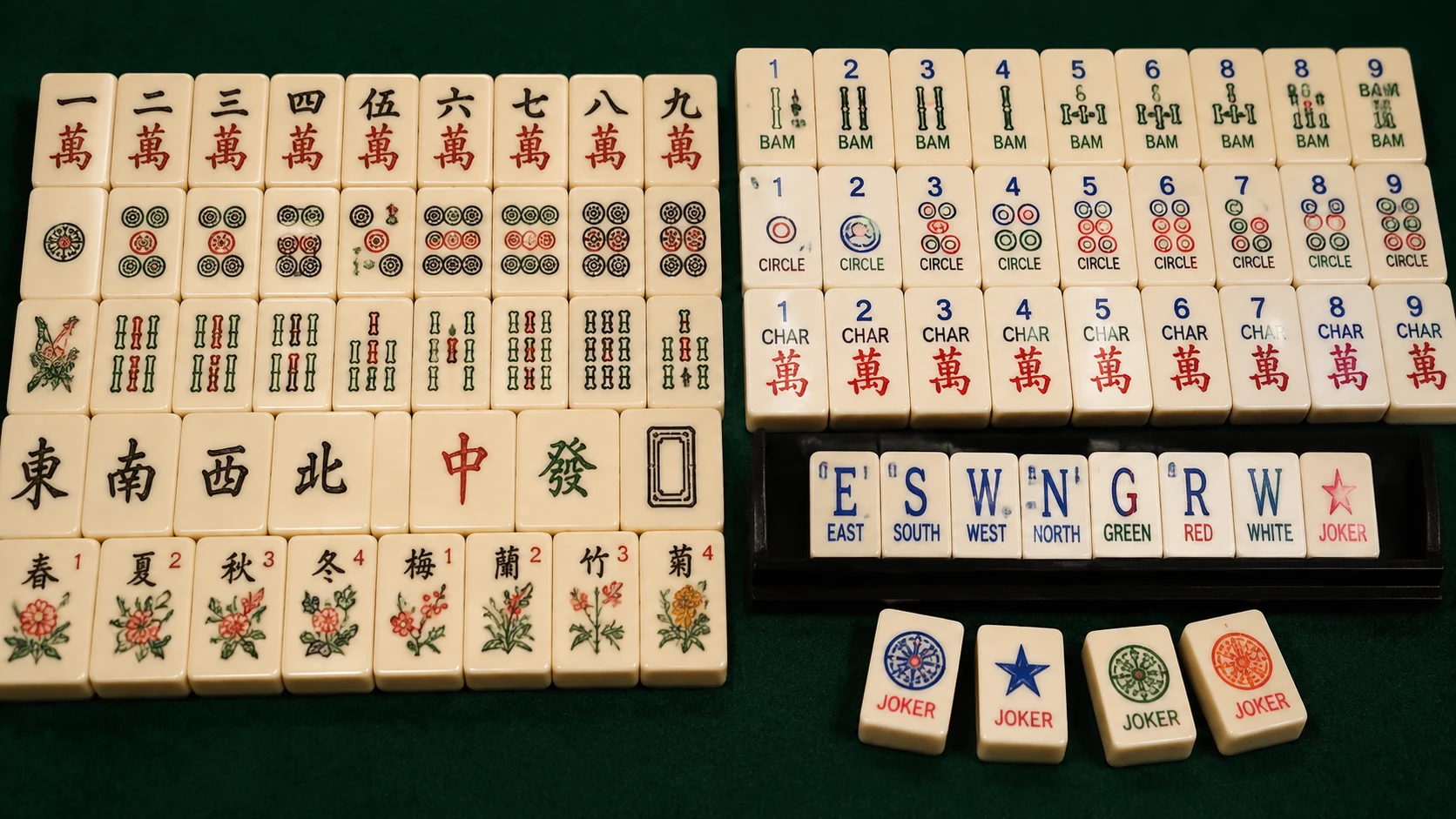
American mahjong uses 152 tiles (including 8 Jokers); Chinese mahjong uses 144 tiles with no wild cardsAmerican play requires the annual NMJL…
-
The Rules for Modern American Mah-jongg
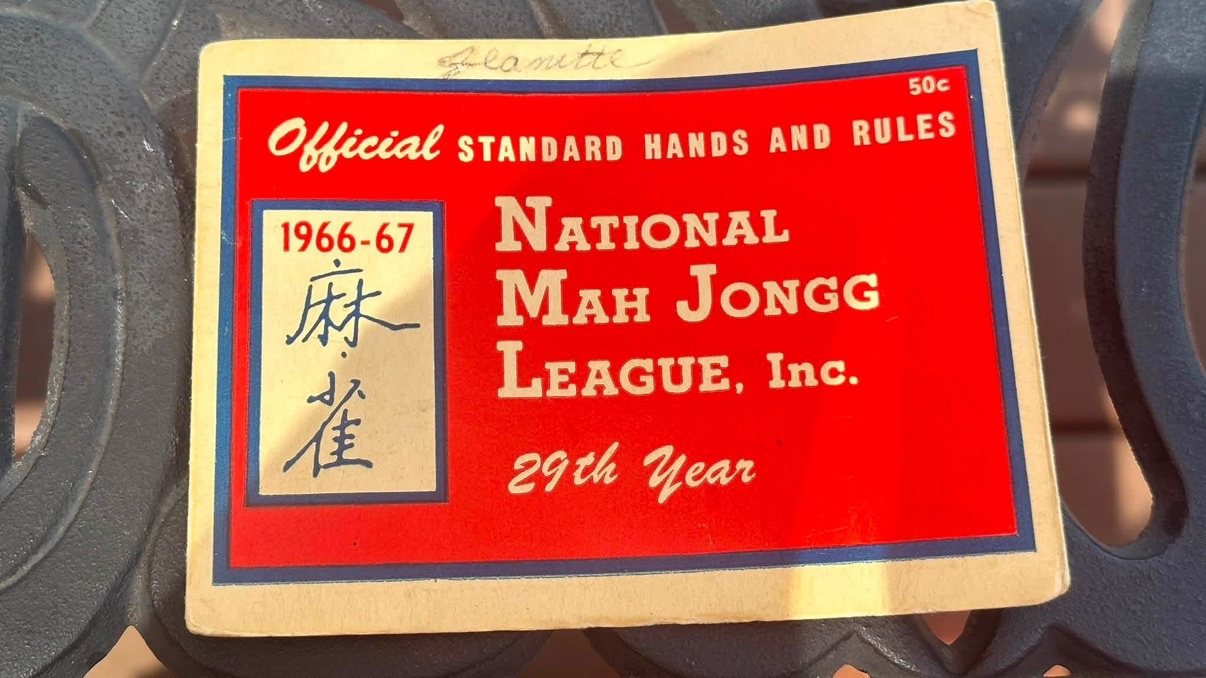
Core Equipment & Tile Specifications All official modern American Mah-jongg games require the following standard equipment, per NMJL rules: NMJL Card Rules…
-

Complete Guide to American Mah Jongg Strategy: NMJL Tips to Win More Games
Introduction: Why Strategy Matters in American Mah Jongg Strategy “I have nothing!” is the common lament of many Mah Jongg players once…
-
American Mah Jongg Cheat Sheet
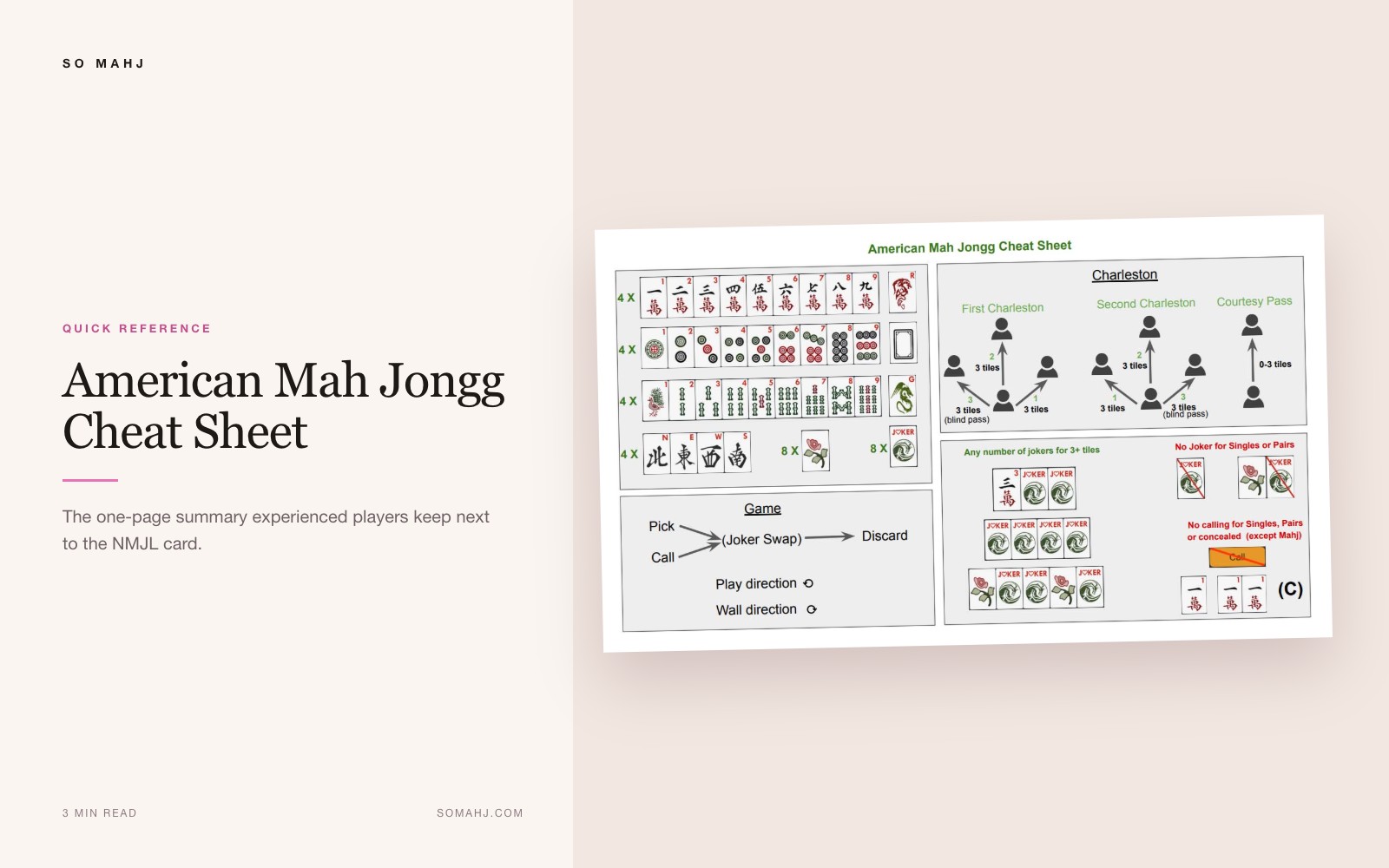
Free printable American Mah Jongg cheat sheet aligned with NMJL rules. Quick reference for Joker usage, Charleston steps, dead hand triggers &…
Buying, gifting & culture
Already playing? Everything else we have written: choosing a set, looking after it, giving it as a gift, travelling with it, and the culture around the game.
Sets, Gear & Care
Choosing a set, setting the table, and keeping tiles beautiful for years.
-
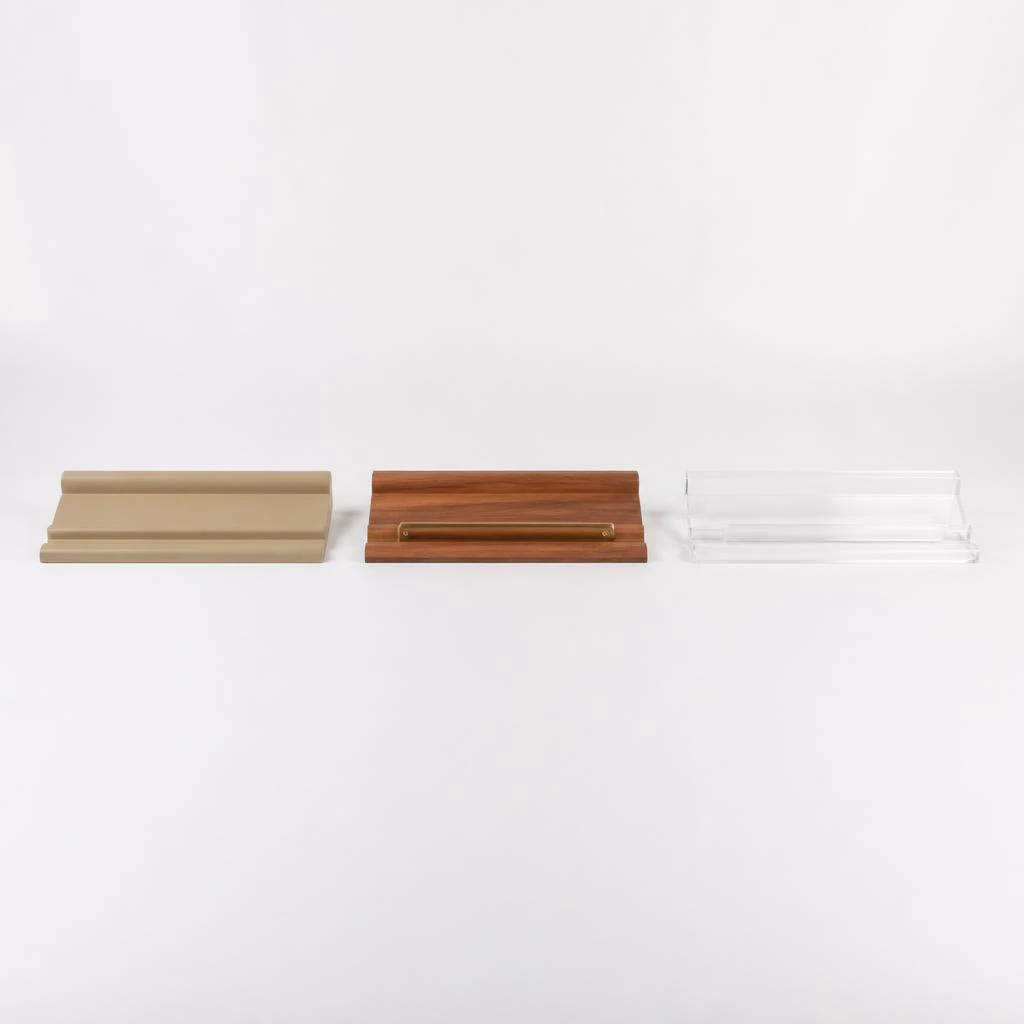
Plastic vs Wooden vs Acrylic Mahjong Racks: Which Is Best?
Compare plastic, wooden, and acrylic mahjong racks across durability, weight, price, and aesthetics. Find out which material suits your playing style and…
-

How Mahjong Pushers and Racks Can Transform Your Game Experience
A practical guide to choosing the right mahjong pushers and racks for your tile set, covering materials, pusher types, sizing, and where…
-
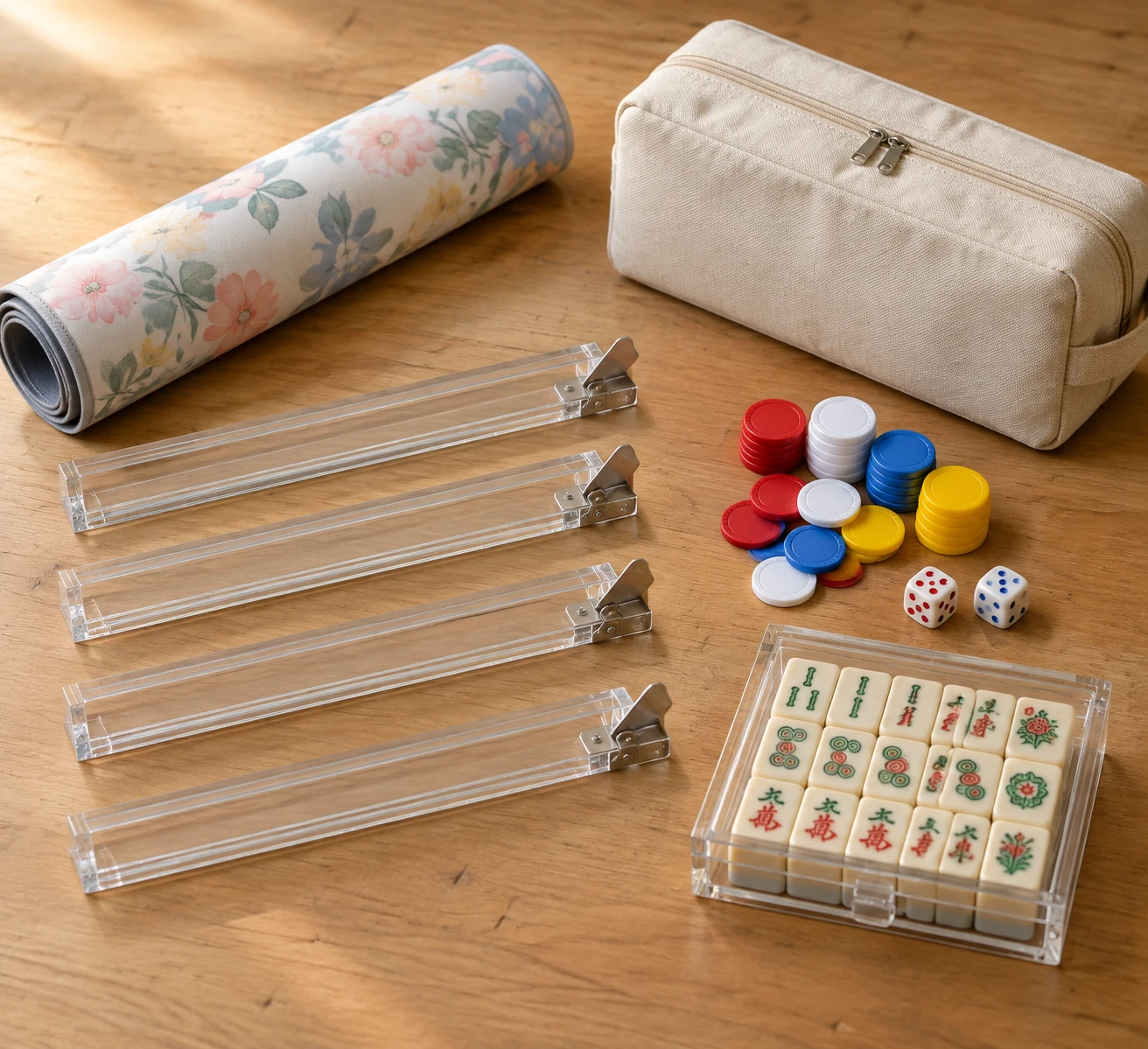
Mahjong Accessories Guide: Mats, Racks, Chips & More Essentials
A practical buyer's guide to mahjong accessories — mats, racks, chips, dice, and storage — covering materials, sizing, and what to prioritize…
-
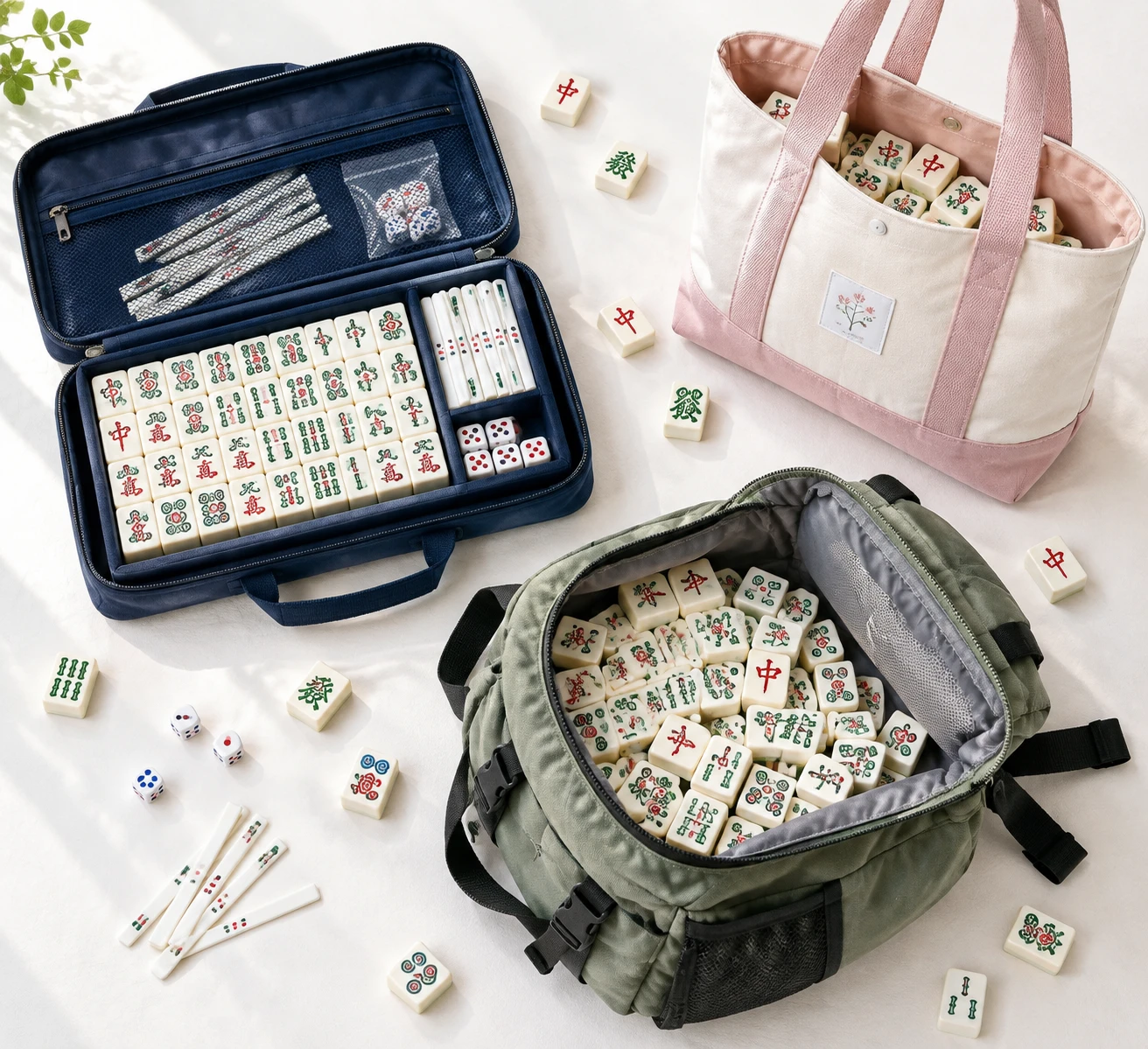
Top 7 Stylish Mahjong Bag Styles for Every Player
Discover the best mahjong bag styles for every player—from classic zippered cases to chic totes and travel-ready backpacks. Compare protection, capacity, and…
-
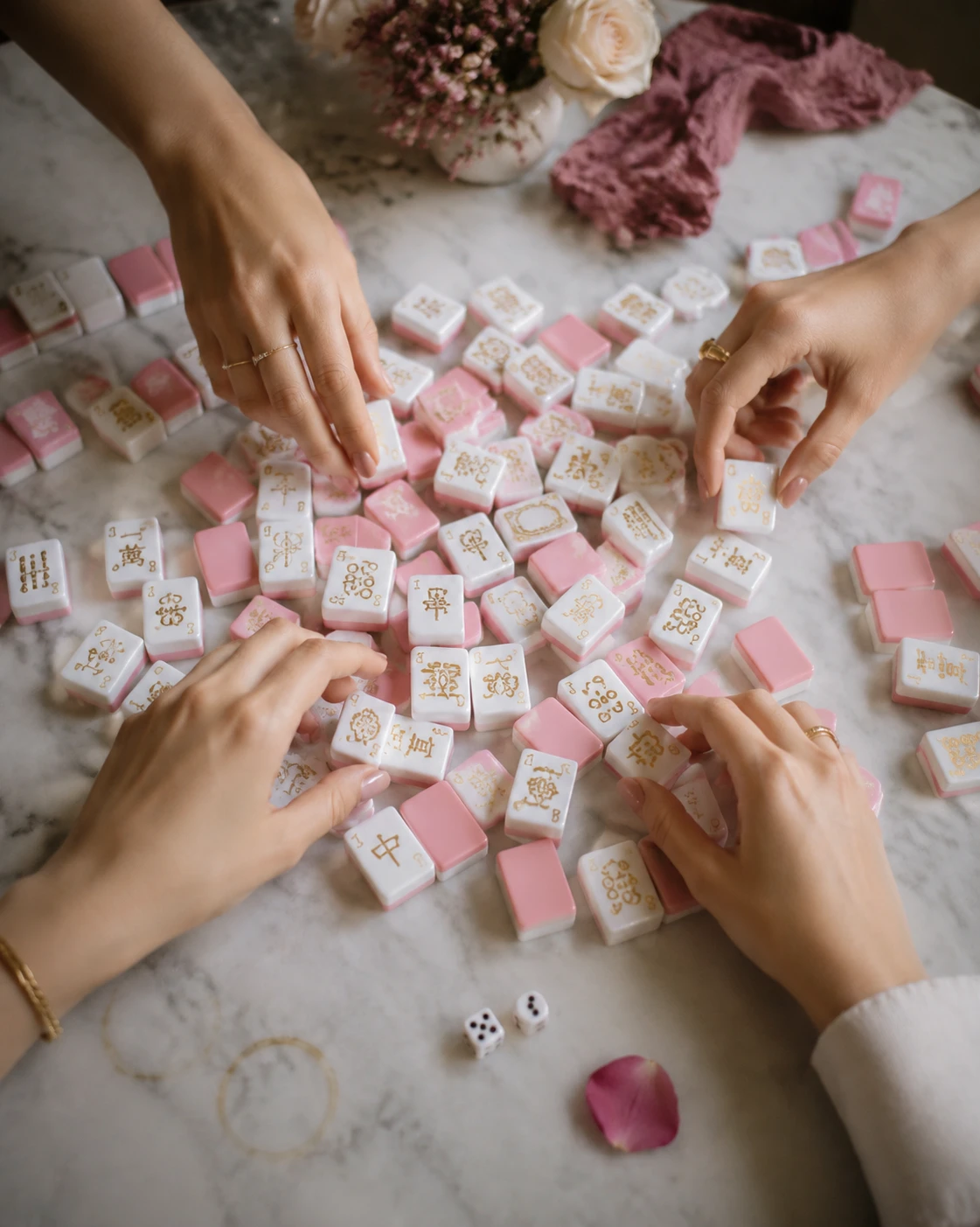
Embrace Elegance: The Magic of a Pink Mahjong Set for Game Nights
A practical guide to choosing, styling, and caring for a pink mahjong set — covering materials, tile counts, design details, and table…
-
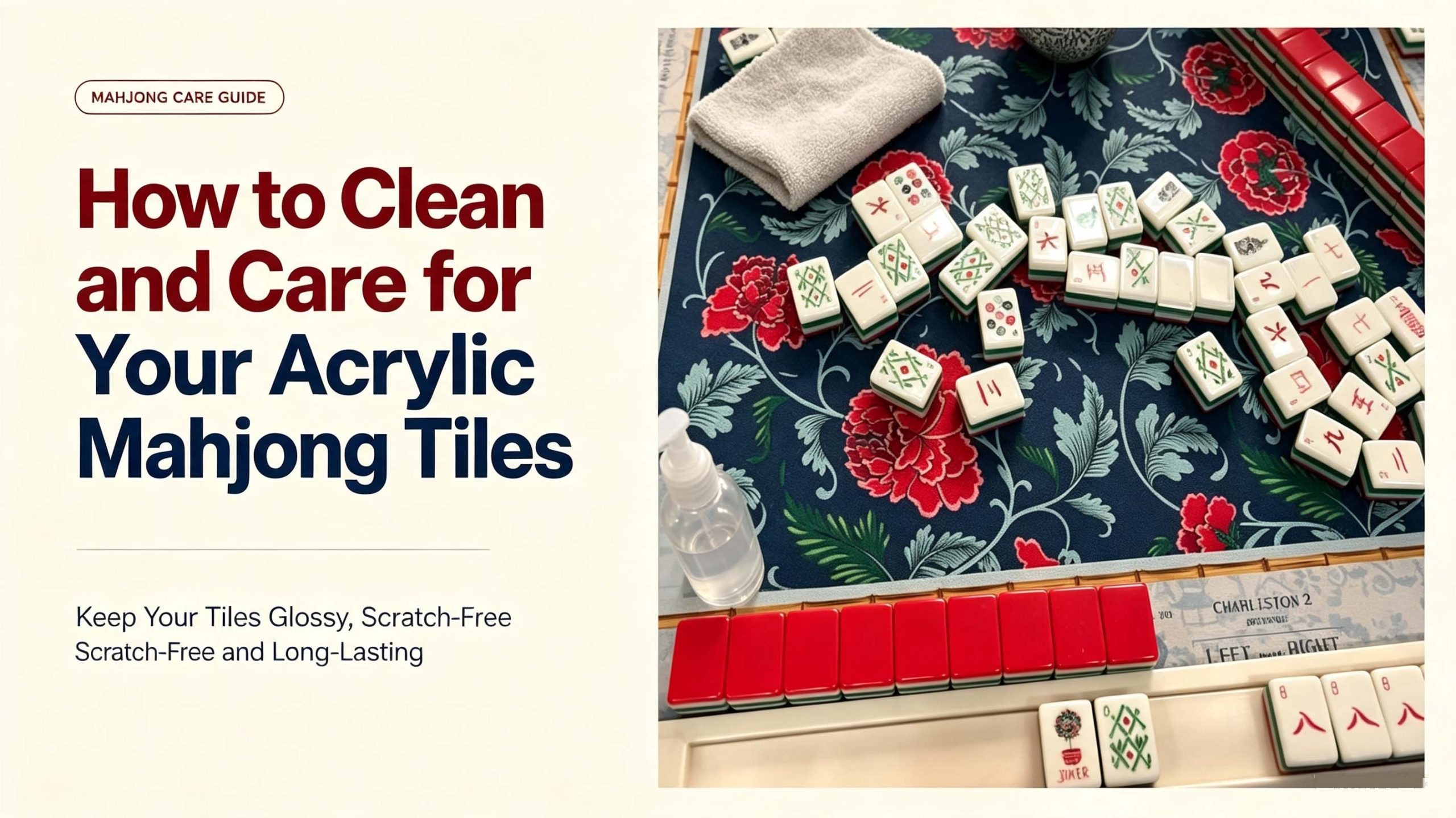
How to Clean and Care for Your Acrylic Mahjong Tiles
A practical guide to cleaning, storing, and maintaining acrylic mahjong tiles — covering daily routines, deep cleaning, common mistakes, and material comparisons.
-
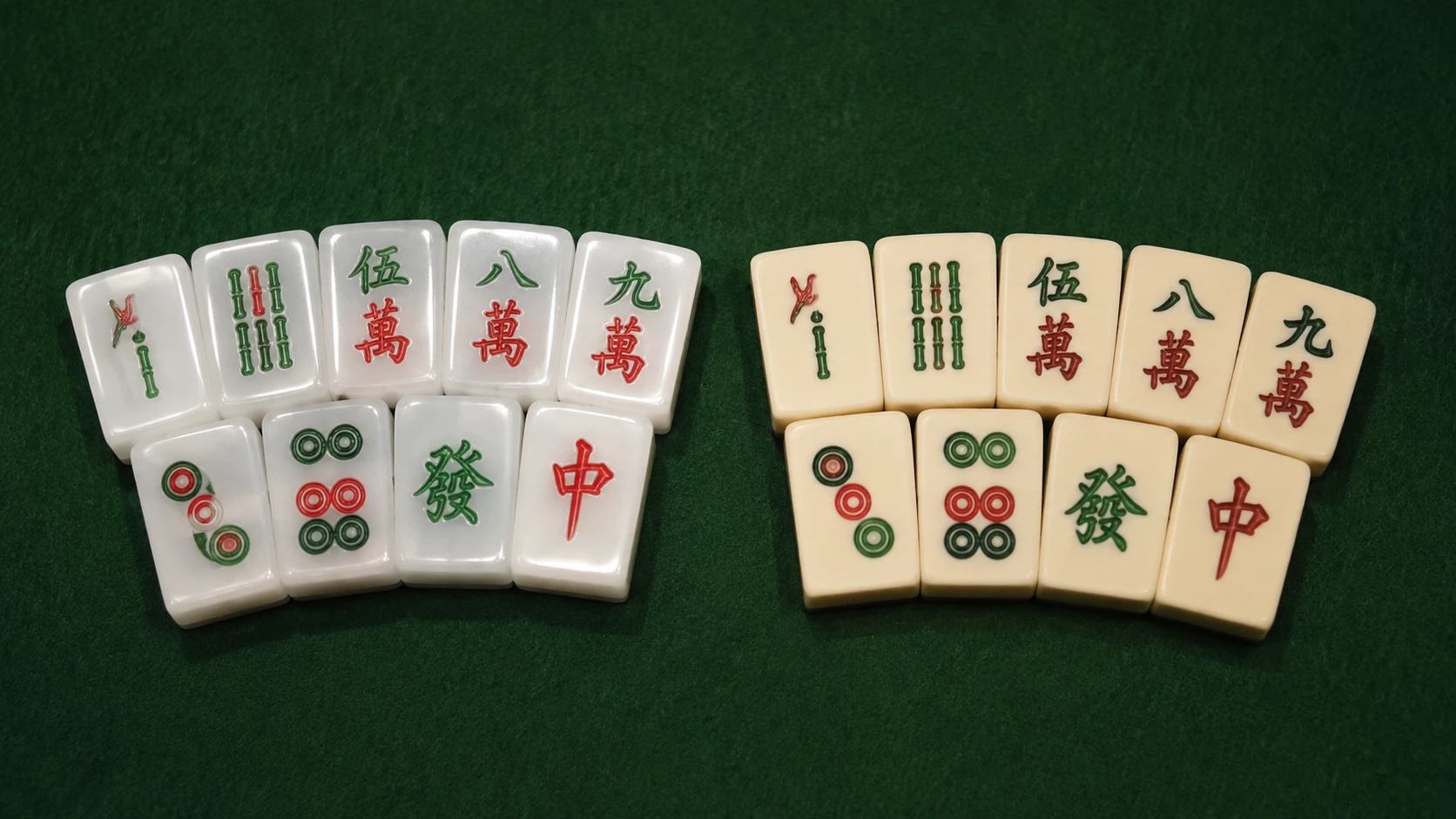
Acrylic vs Melamine Mahjong Tiles: Which Is Better for American Play?
Acrylic and melamine are the two dominant materials for modern mahjong tiles — each with distinct weight, sound, and feelMelamine tiles are…
-
The Ultimate Guide to Choosing a Mahjong Table Cloth for Every Style
Find the perfect mahjong table cloth for every play style. Our guide covers materials, sizes, pain point solutions, and NMJL-compatible options for…
-
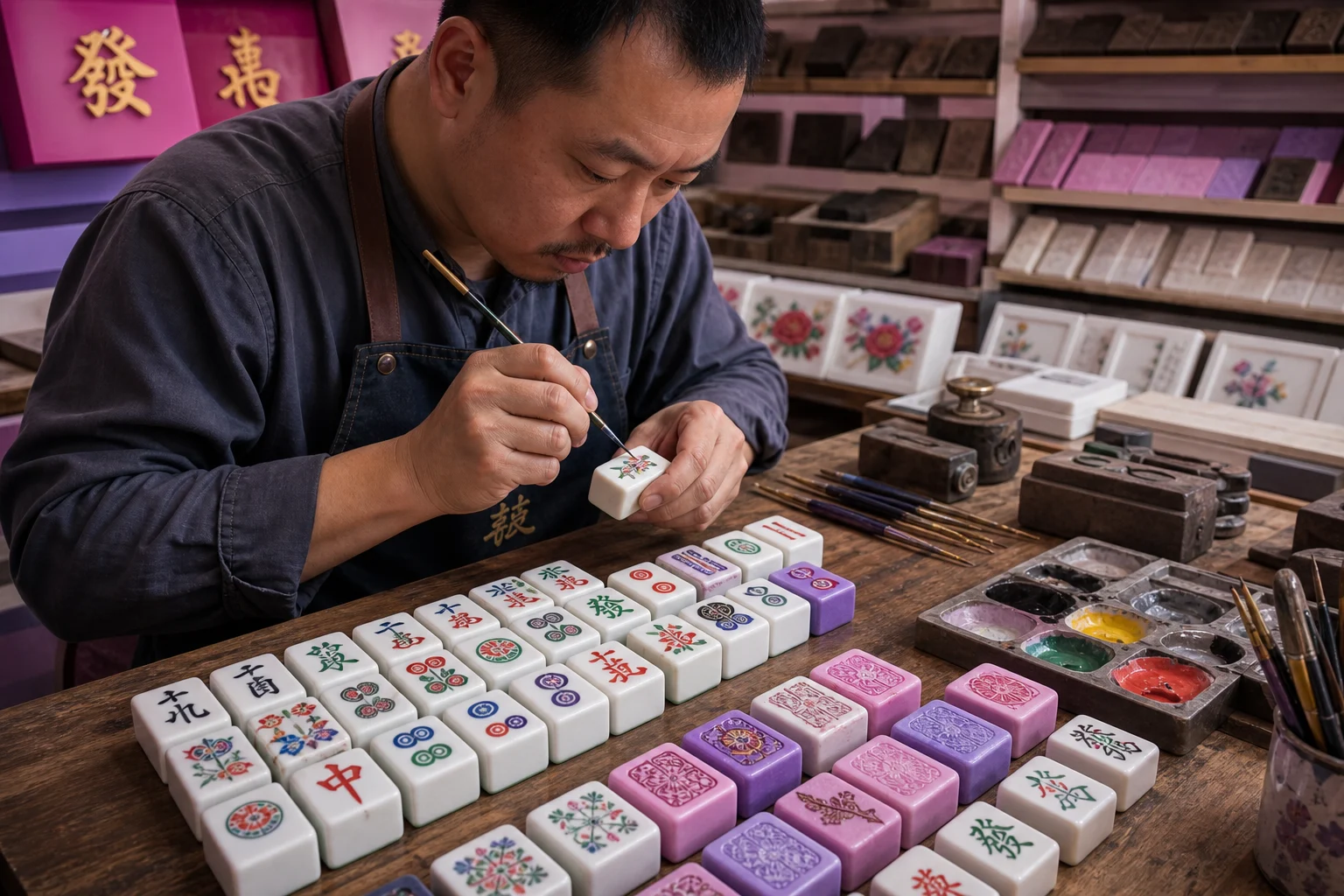
Custom Mahjong Tiles: Design Your Unique NMJL Mah Jongg Game Experience
Why Custom Mahjong Tiles Are Transforming the North American Market As American Mah Jongg continues its steady mainstream growth, demand for custom…
-
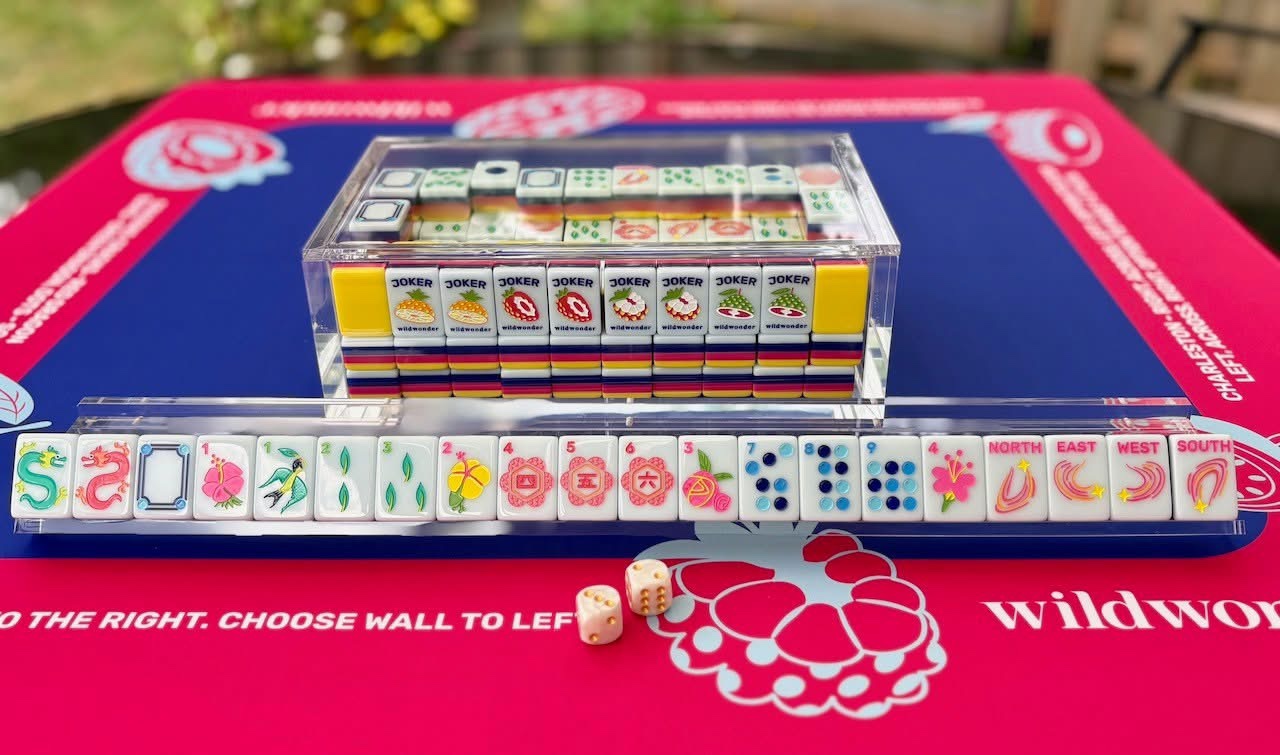
Discover the Best Mahjong Tiles for Sale: 5 Unique Collections
Five unique categories of mahjong tiles for sale — American sets, cute designs, budget options, specialty tiles, and limited editionsAmerican mahjong tile…
Gifts & Seasonal
Presents for players, collectors and hosts, including Christmas ideas.
-
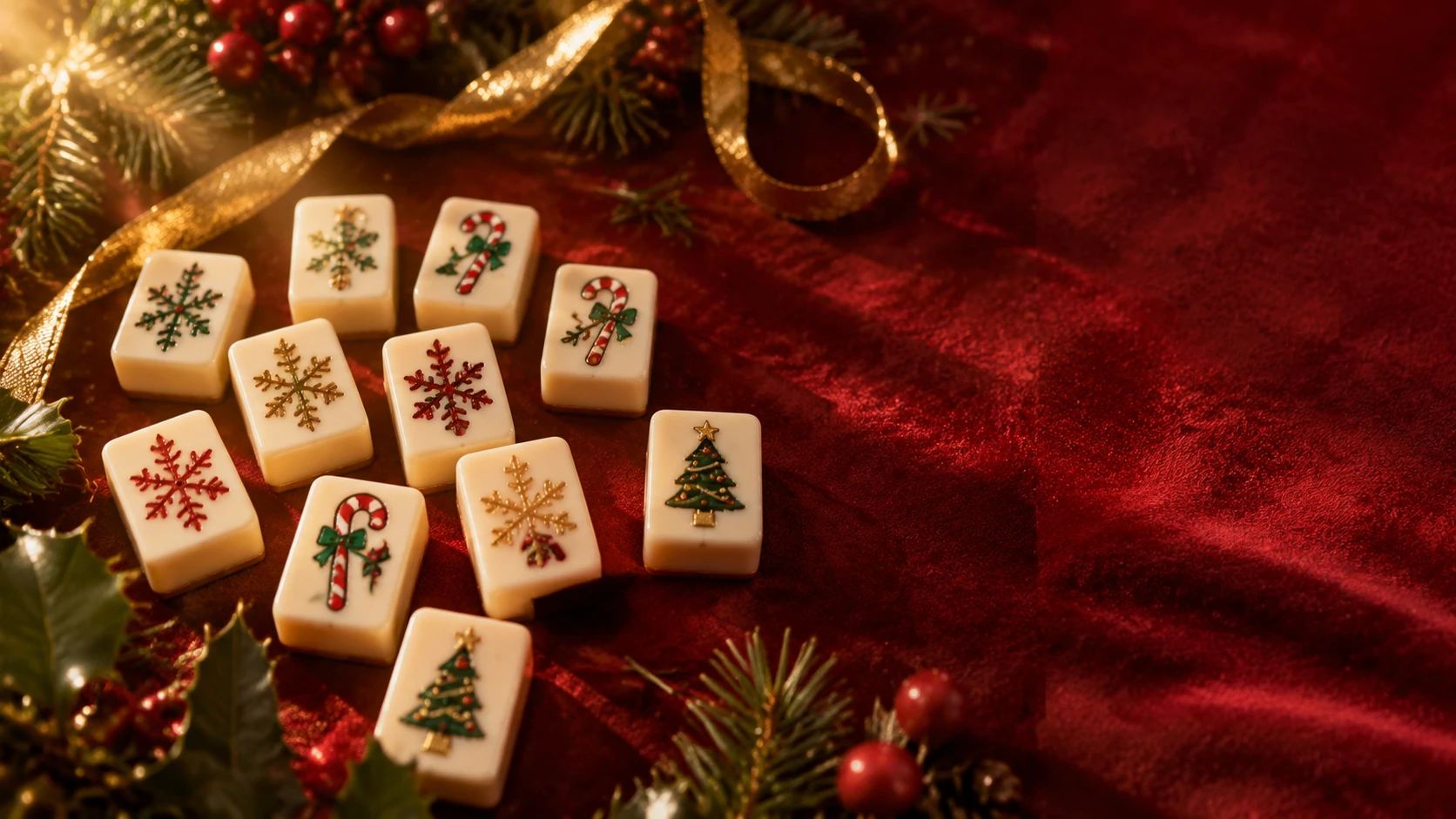
Why Mahjong Makes a Great Christmas Gift
A living-room story about mahjong at Christmas: the gift that comes with a standing invitation, a game that spans generations, and how…
-

Christmas Mahjong: Our Family’s Most Cherished Holiday Tradition
For most families, Christmas ends right after the festive dinner plates are cleared and the table is wiped clean. But in our…
-
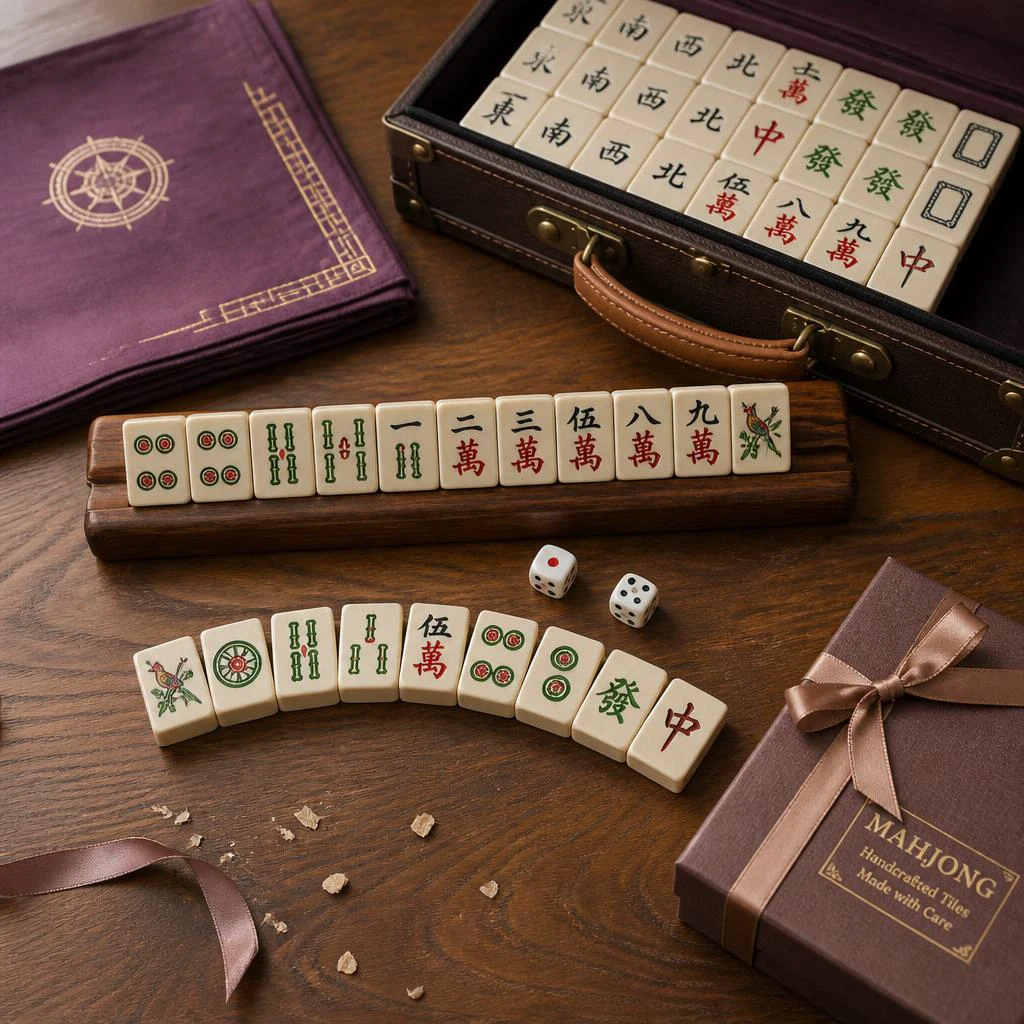
Discover the Top 10 Unique Mahjong Gifts for Every Enthusiast
A curated guide to the best mahjong gifts for every skill level — from beginner tile sets and personalized accessories to tournament…
-

The Ultimate Guide to Unique Mahjong Gifts for Collectors
A practical guide to finding unique mahjong gifts for collectors and players, covering handcrafted sets, vintage pieces, personalized accessories, and holiday gift…
-
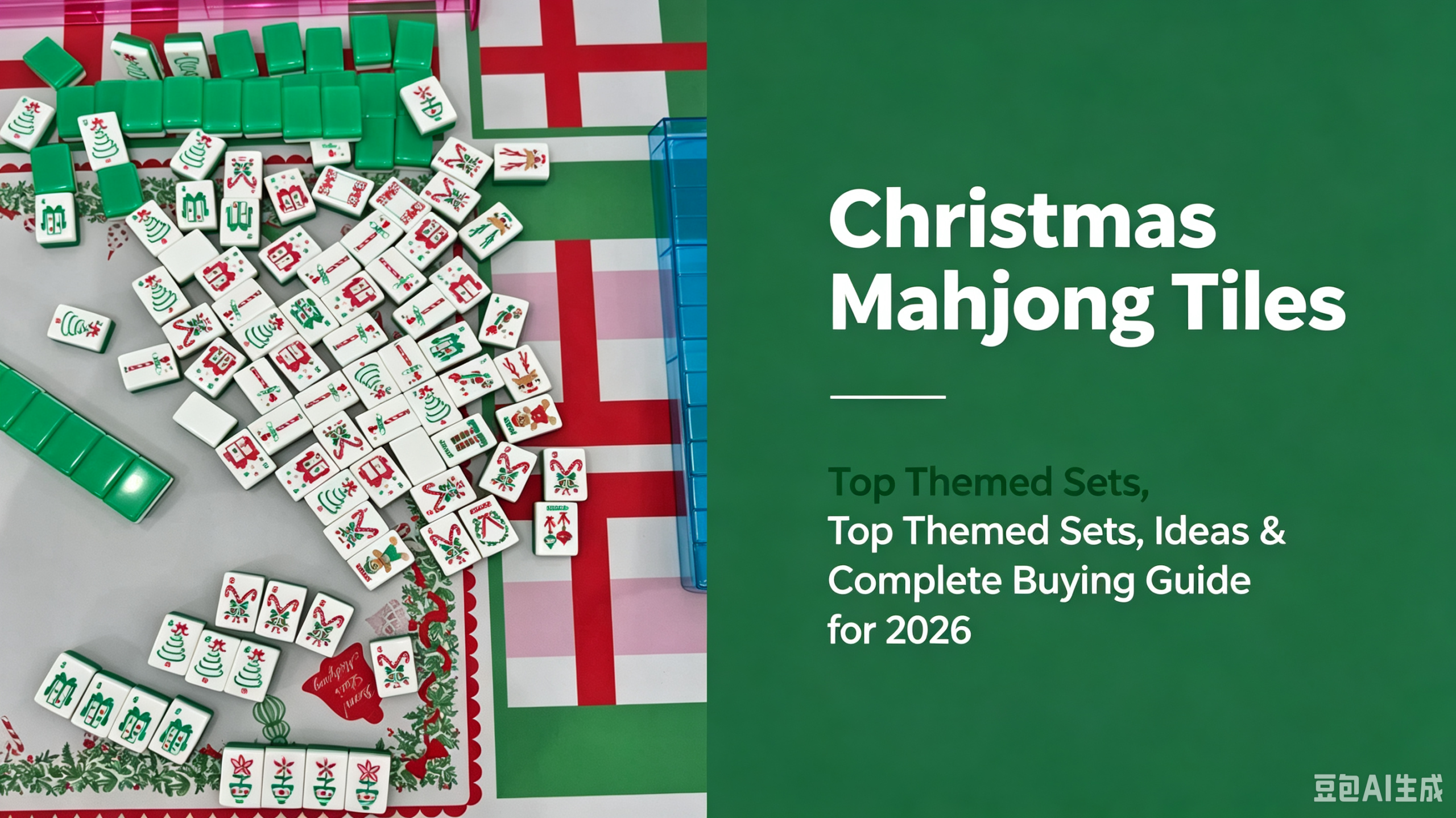
Christmas Mahjong Tiles: Top Themed Sets, Ideas & Complete Buying Guide for 2026
A complete guide to Christmas mahjong tiles for 2026 — covering the best themed sets, party game ideas, buying tips, and wholesale…
-
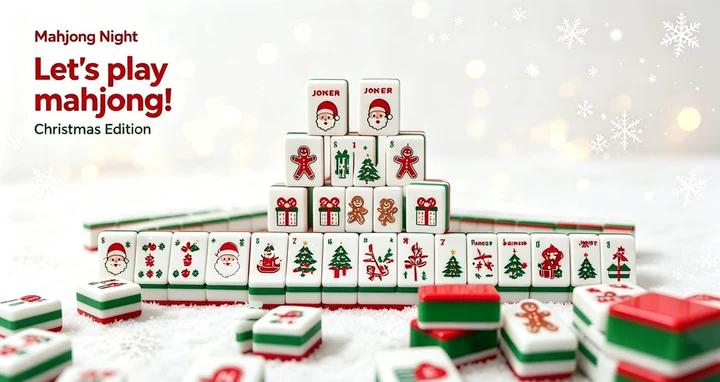
How to Pick a Mahjong Set as a Gift for Mahjong Lovers
A practical guide to choosing the right mahjong set for any player — covering game version, tile count, material, size, design, and…
Travel & Portable
Sets and mats that survive planes, cars and small holiday tables.
-
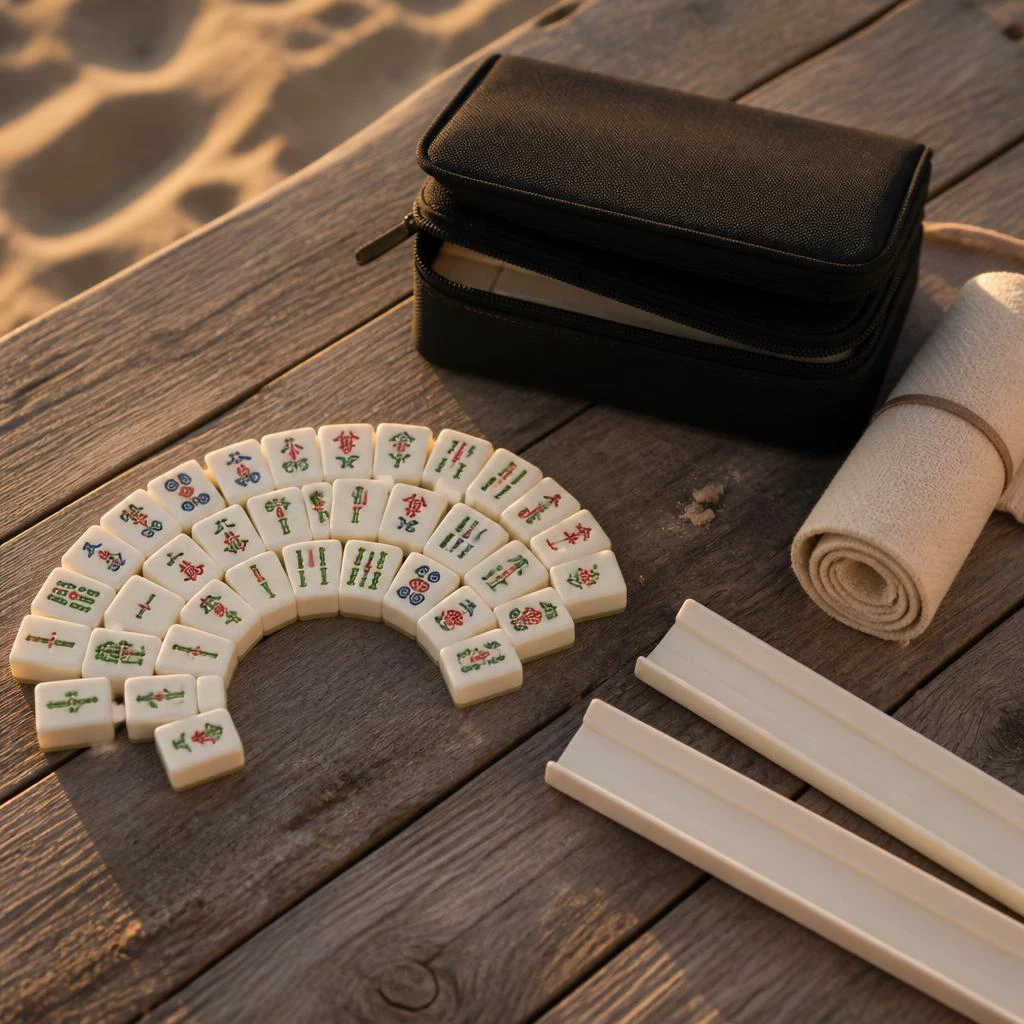
2026 Travel Mahjong: The Best Portable Sets & Accessories for Playing on the Go
A practical guide to choosing the right travel mahjong set in 2026, covering tile sizes, case quality, accessories, and real-world playing scenarios.
-
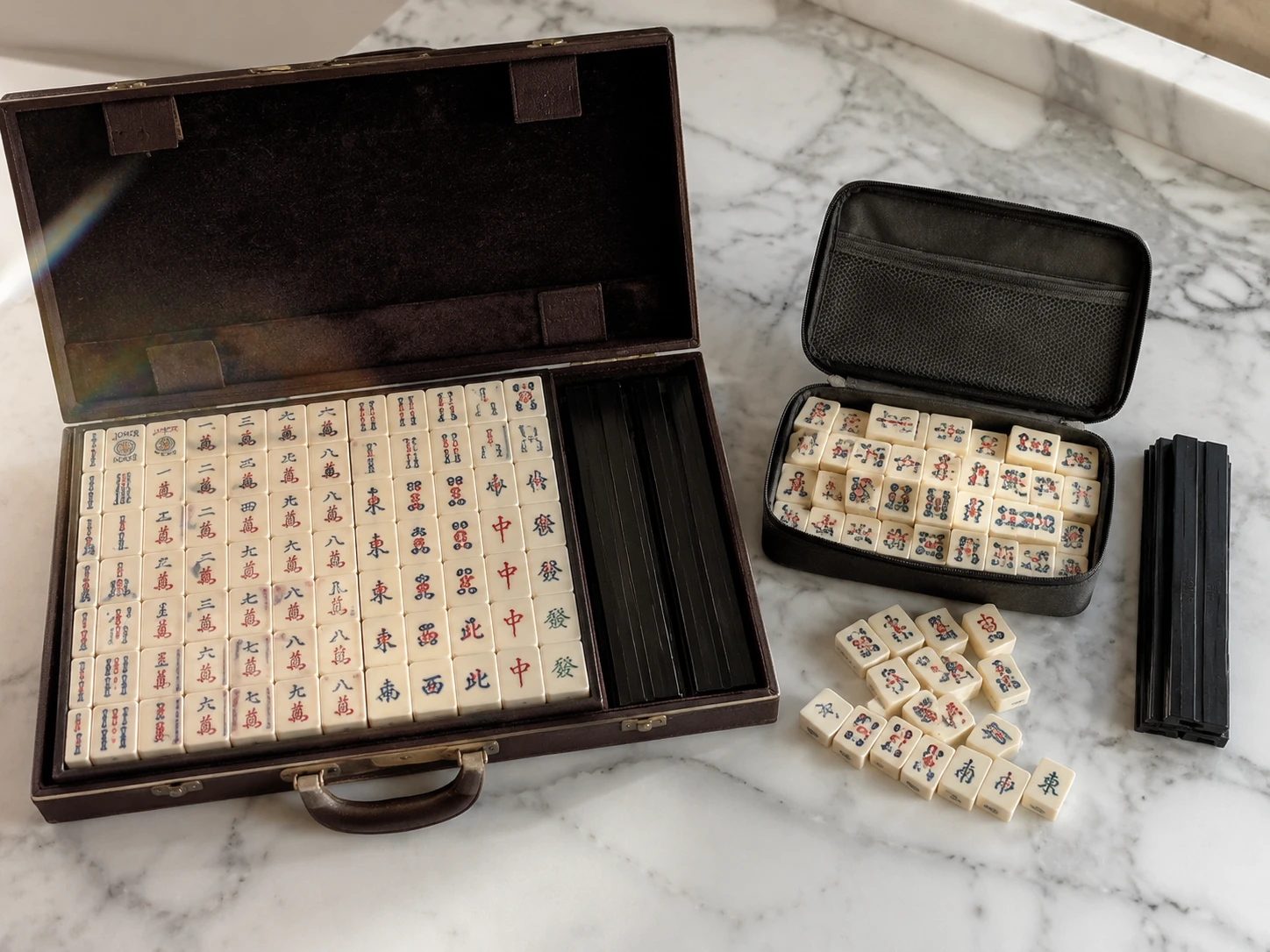
Travel vs Full-Size American Mahjong Sets: Which Should You Get?
A practical comparison of travel and full-size American Mahjong sets covering tile size, weight, portability, and playability — so you can pick…
-
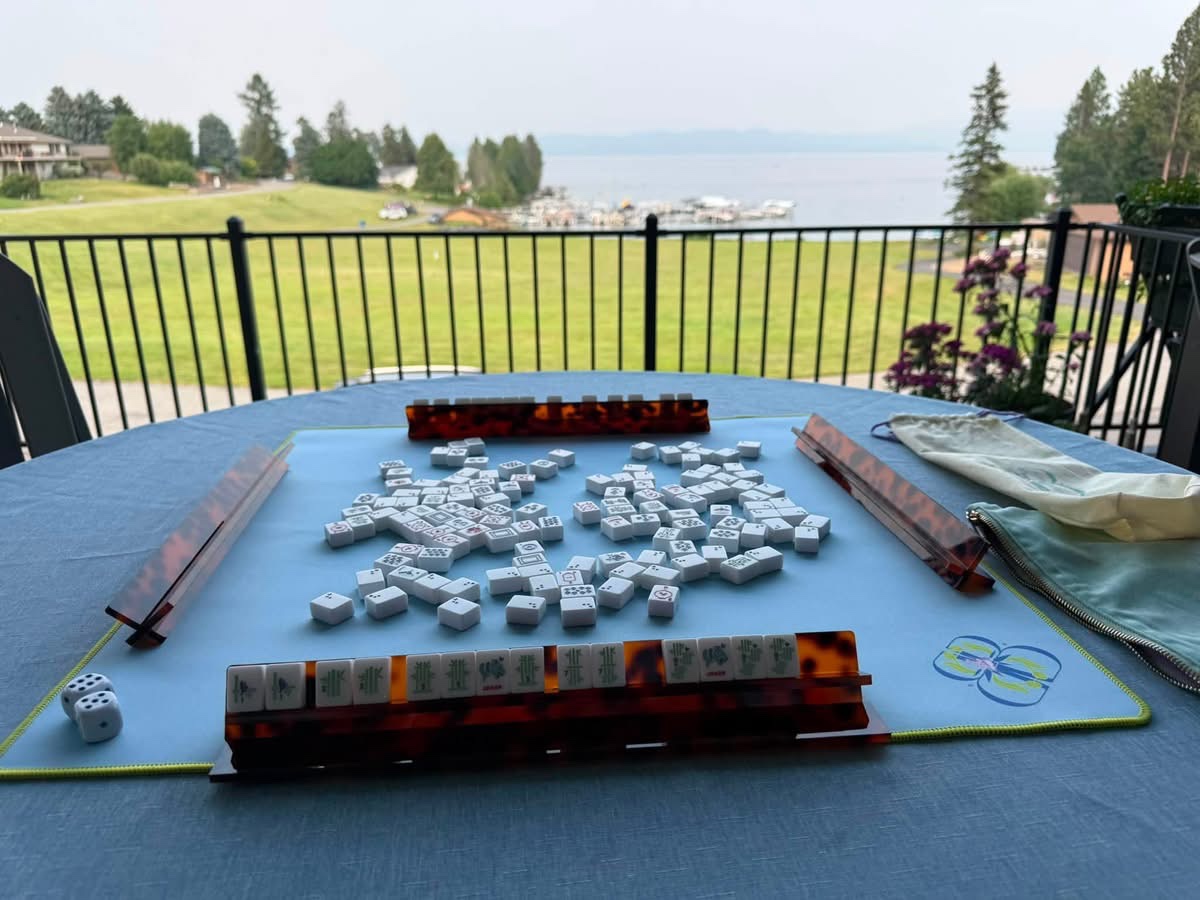
Uncover the Joy of Play: Best Travel Mahjong Sets for Family Vacations
Travel mahjong sets bring the classic tile game to any vacation destinationMini, miniature, and American-style travel sets serve different player needsKey features…
Culture & Community
History, trends and the reasons the game keeps growing.
-
Why Mahjong Makes a Great Christmas Gift
A living-room story about mahjong at Christmas: the gift that comes with a standing invitation, a game that spans generations, and how…
-
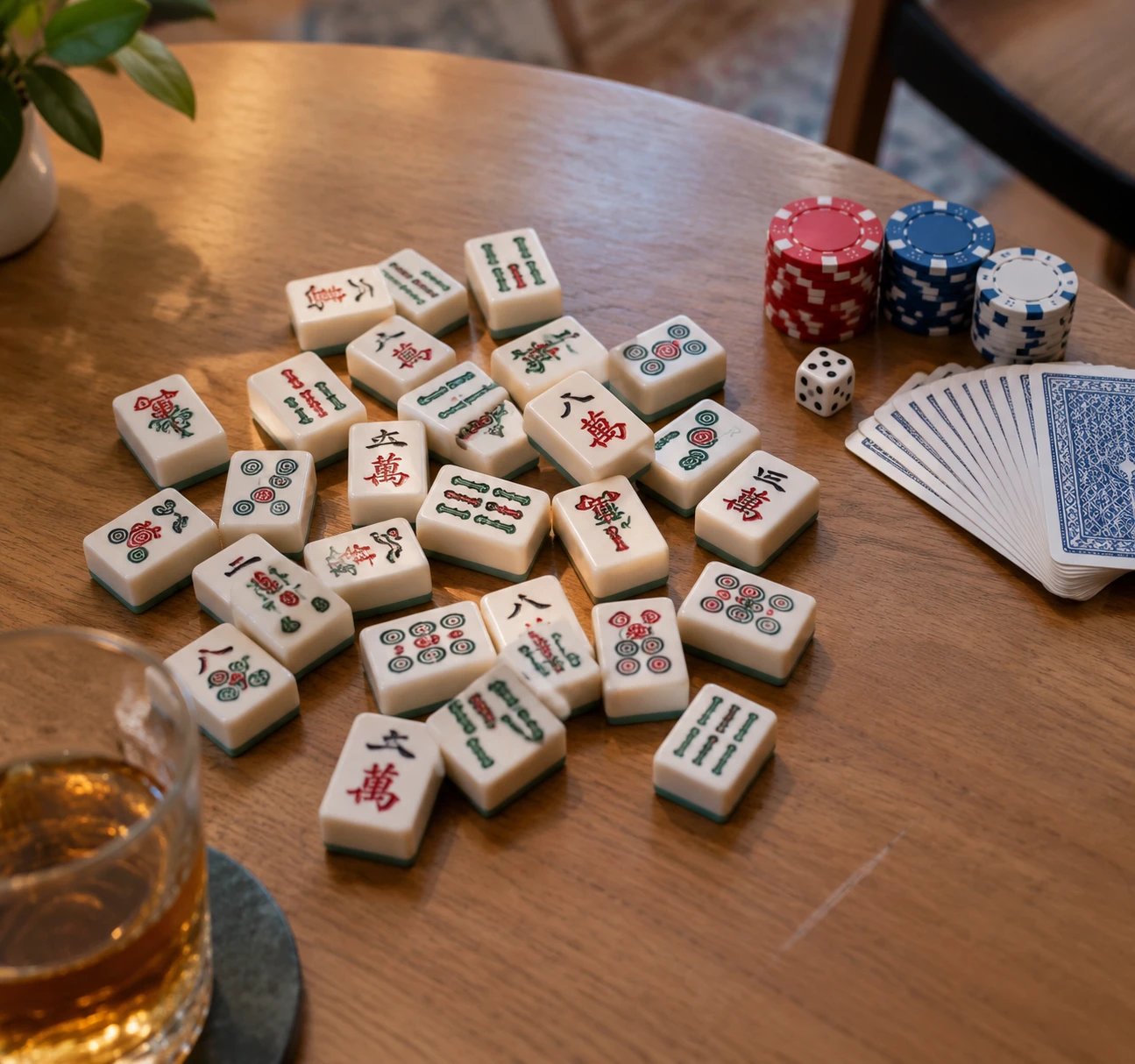
Mahjong vs. Poker vs. Rummy: Which Rules Game Night?
A practical comparison of mahjong, poker, and rummy covering rules, setup, and social dynamics — so you can pick the best game…
-
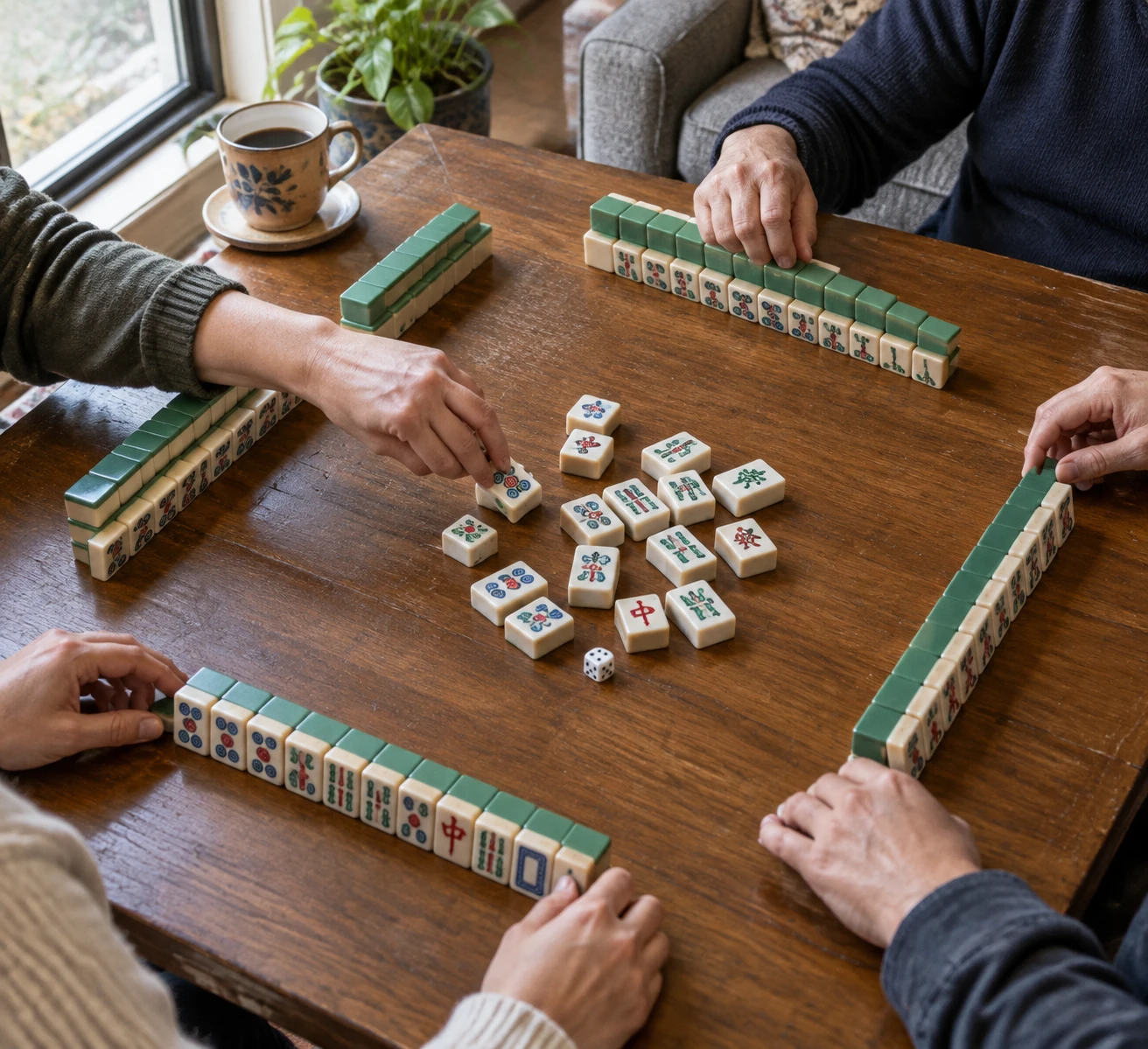
7 Mental Health Benefits of Playing Mahjong Regularly
Discover seven science-backed mental health benefits of playing mahjong regularly, from sharper memory and lower dementia risk to reduced stress and stronger…
-
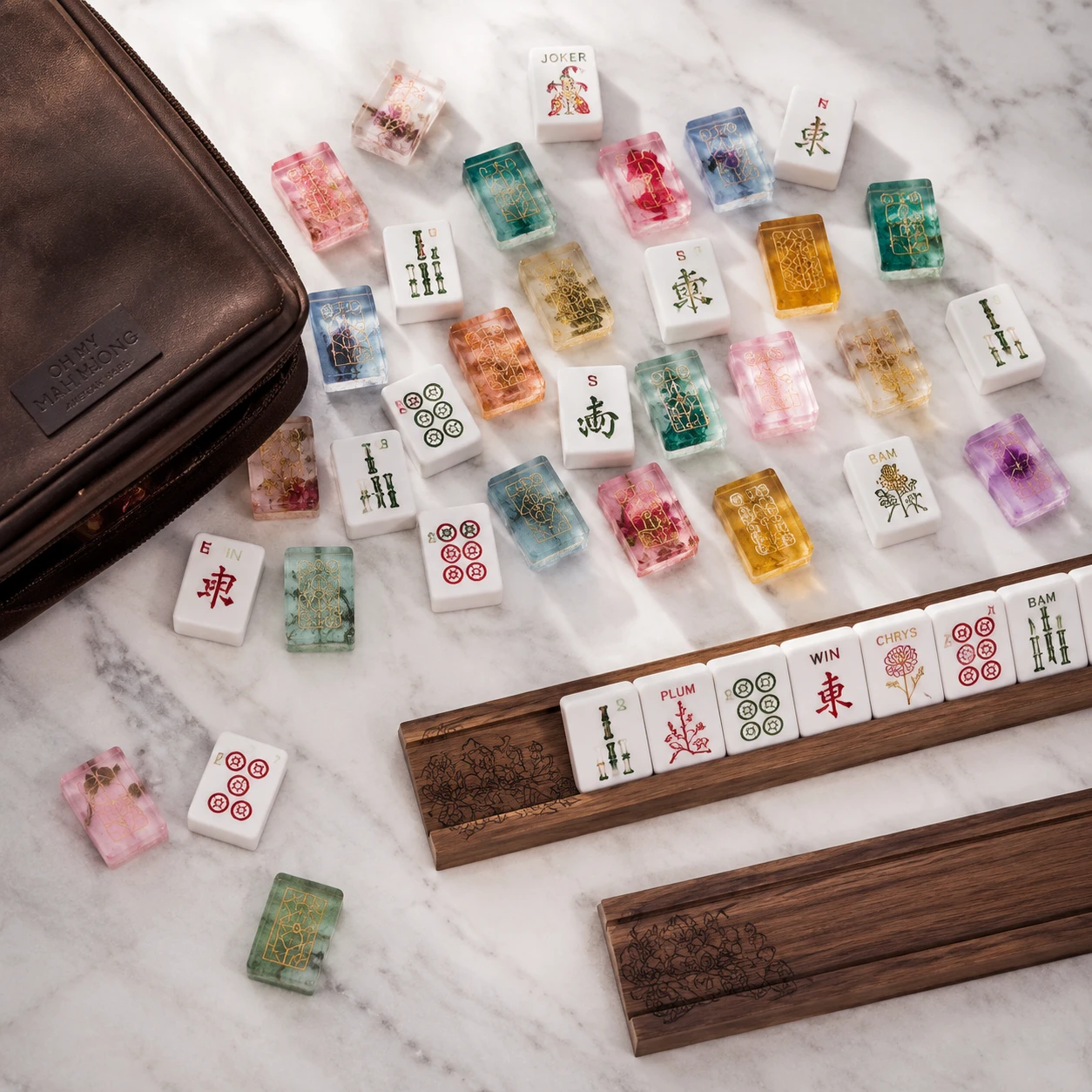
The Rise of Custom American Mahjong Set: Market Data & Business Opportunities
Market data, customization options, and business models for the custom american mahjong set industry—a practical guide for B2B buyers and brand owners.
-

Top Mahjong Trends for 2026: What’s Popular in American Mahjong
Explore the top American Mahjong trends for 2026, including the new NMJL card, boutique tile designs, social clubs, and a practical buying…
-
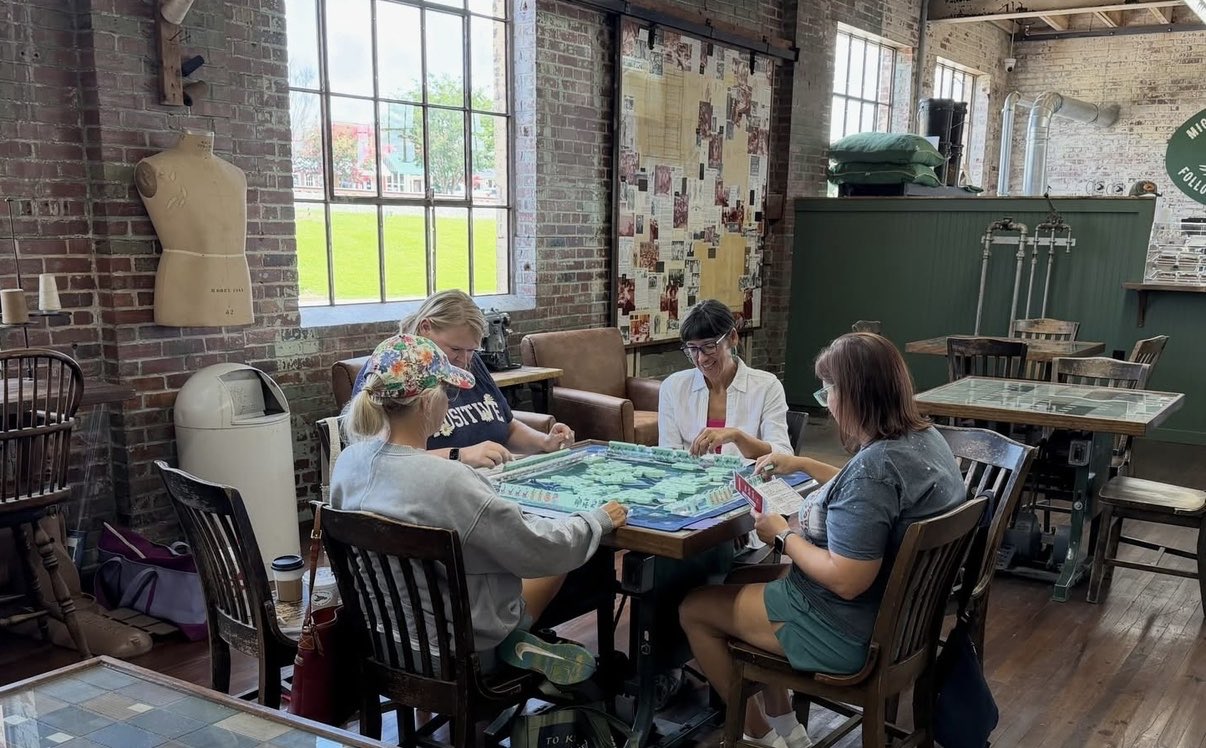
The History & Cultural Evolution of American Mah Jongg: From 1920s Parlor Game to Modern Tradition
Explore the rich history and culture of American Mah Jongg. Trace its 1920s arrival in the U.S., the birth of NMJL rules,…
-
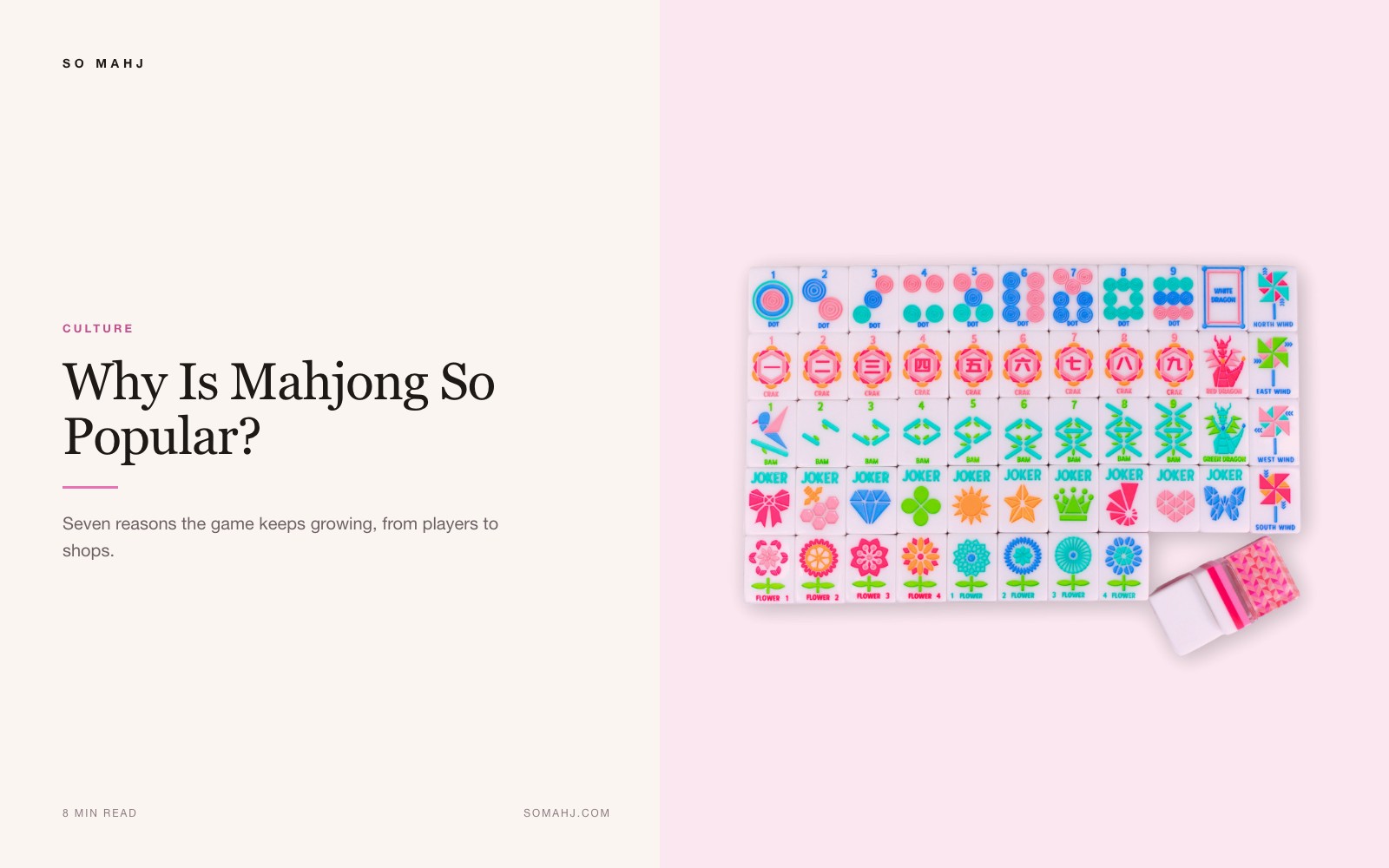
Why Is Mahjong So Popular? 7 Reasons for American Mah Jongg’s Rise
Introduction: The Surge of American Mah Jongg If you’ve noticed more mahjong sets in home decor stores, local club meetups, and social…
-

Data-Backed American Mah Jongg Statistics: Win Rates, Hand Popularity & Joker Impact
Introduction: What This Data Reveals About American Mah Jongg If you’ve ever wondered how your win rate stacks up against the average…
American Mahjong Videos
Below are a few online videos that provide tutorials on how to play American mah jonggAlso, check out our step-by-step guide to learning American Mah Jongg
How to play American Mahjong
Ultimate American Mahjong FAQs
We're always happy to answer questions from subscribers to the wider American Mahjong community.
Click on a question below to reveal the answer.
If you don’t find what you’re looking for, please contact us.
1. General Basics FAQs (Beginner Level)
What is American Mah Jongg?
American Mah Jongg (often shortened to mahj) is a standardized 4-player tile game adapted from traditional Chinese mahjong. It is the dominant competitive and social mahjong variant across North America, defined by three unique features: an annually updated official winning hand card, a mandatory pre-game Charleston tile pass, and 8 wild Joker tiles.
What is the difference between American Mahjong and other mahjong styles?
The biggest difference is that American Mah Jongg uses an annually updated NMJL card to define valid winning hands, while Chinese standard mahjong and Japanese Riichi mahjong follow permanent fixed hand patterns. American Mah Jongg also includes 8 Joker wild tiles and the mandatory Charleston pass, which do not exist in most other variants.
Who sets the official rules for American Mah Jongg?
The National Mah Jongg League (NMJL) is the primary standard-setting body in the U.S., publishing the annual official score card and governing most tournament and league play. The American Mah Jongg Association (AMJA) is a secondary governing body with fully aligned core rules.
How many people play American Mah Jongg?
Official American Mah Jongg is designed for exactly 4 players. Casual home games sometimes use 3 players with modified rules, but all NMJL-sanctioned play requires 4 participants.
Is American Mah Jongg hard to learn for beginners?
Core rules are relatively easy to learn for beginners. Most new players can master basic gameplay in 1-2 hours. The main learning curve comes from reading the annual NMJL card and building strategic awareness, rather than core mechanics.
How long does a typical American Mah Jongg game last?
A single round takes 15-30 minutes, depending on player skill level. A full casual game with 4 rounds (one per wind position) usually takes 1-2 hours.
Why is it spelled "Mah Jongg" instead of "Mahjong"?
"Mah Jongg" (with two g’s and a hyphen) is the official standardized spelling for the American variant, formalized by the NMJL. "Mahjong" is the general global spelling for the game, and both spellings are commonly used in search and casual reference.
2. Equipment & Product FAQs
How many tiles are in a standard American Mah Jongg set?
A complete NMJL-compliant American Mah Jongg set includes 152 tiles total: 108 numbered suit tiles, 16 wind tiles, 12 dragon tiles, 8 flower tiles, and 8 Joker tiles.
What equipment do I need to play American Mah Jongg?
Mandatory equipment for official play includes:
- A 152-tile American Mah Jongg set
- The current year’s NMJL official score card
- 4 tile racks with pushers
- 2 standard 6-sided dice
Can I play American Mah Jongg with a regular Chinese mahjong set?
No. Standard Chinese mahjong sets only have 144 tiles and do not include the 8 Joker tiles required for American Mah Jongg play. You must use a dedicated 152-tile American set for official NMJL rules.
What is the standard size for American Mah Jongg tiles?
- Tournament grade standard: 1.6” × 1.2” × 0.8”
- Home play large size: 1.8” × 1.3” × 0.9”
- Travel mini size: 1.2” × 0.9” × 0.6”
What is the best material for Mah Jongg tiles?
Melamine is the industry standard for tournament and casual play, thanks to its durability, uniform weight, and matte non-reflective finish. Premium and gift sets often use acrylic, resin, or bamboo for aesthetic appeal.
What are the most popular Mah Jongg accessories?
Top-selling accessories include hard/soft carrying cases, non-slip felt table mats, replacement tiles, beginner cheat sheets, and automatic mahjong tables for clubs and commercial venues.
Do I need a new NMJL card every year?
For official league and tournament play, yes — the valid winning hands change every year, and only the current year’s card is official. Casual home play can use older cards, but most players update annually to stay aligned with standard play.
3. NMJL Card & Hand Rules FAQs
What is the NMJL card in American Mah Jongg?
The NMJL card is an annual official reference that lists all valid 14-tile winning hands, point values, and special rules for the year. It is the foundation of American Mah Jongg gameplay, and no official game can be played without it.
How do you read the NMJL Mah Jongg card?
Each line on the card represents one complete winning hand, broken into groups of identical tiles (pairs, pungs, kongs, etc.). Standard abbreviations include numbers 1-9 for suit tiles, F for flowers, D for dragons, and N/E/W/S for winds.
What do the colors on the NMJL card mean?
Three colors mark tile groups and follow two core rules:
- All tiles marked with the same color must belong to the same suit.
- Tiles marked with different colors must belong to different suits. Dragons marked in the same color as numbered tiles must match the fixed suit pairing (Green=Bams, Red=Craks, White=Dots).
What is the difference between Exposed and Concealed hands?
- Exposed (marked X): You may call discarded tiles to build groups. These are easier to complete and have lower point values.
- Concealed (marked C): All tiles must be drawn from the wall, with no intermediate exposures (only the final winning tile may be called). These have higher point values.
How many tiles are in a winning American Mah Jongg hand?
Every valid winning Mah Jongg hand has exactly 14 tiles. Non-dealer players start with 13 tiles and draw one to reach 14; the dealer starts with 14 tiles and discards one first.
Do all American Mah Jongg rules change every year?
No. Core gameplay mechanics, tile specifications, Charleston rules, and Joker rules are permanent. Only the list of valid winning hands and point values on the NMJL card are updated every April.
What are the hand categories on the NMJL card?
Standard permanent categories include 2468 (even numbers), 13579 (odd numbers), Consecutive Runs, 369, Winds & Dragons, Quints, Singles & Pairs, and year-themed hands.
4. Gameplay & Charleston FAQs
What is the Charleston in American Mah Jongg?
The Charleston is a mandatory pre-game tile pass unique to American Mah Jongg. Players exchange unwanted tiles in a fixed sequence to refine their starting hands before regular play begins.
Is the Charleston mandatory in American Mah Jongg?
The first 3-round Charleston is mandatory for all official NMJL play. A second Charleston is optional and only proceeds if all 4 players unanimously agree.
What is a blind pass in the Charleston?
A blind pass occurs on the final round of each Charleston phase. Instead of passing 3 of your own tiles, you may pass tiles you just received from the adjacent player without looking at them, to supplement your own pass up to 3 total tiles.
How do you set up an American Mah Jongg game?
- Shuffle all tiles face down
- Each player builds a 2-tile-high wall (19 tiles wide, 38 total per player)
- Push all walls together to form a square
- The highest dice roller becomes the starting dealer (East)
- Deal 4 tiles at a time counterclockwise until each player has 12 tiles, then finalize starting hands
What is the order of play in American Mah Jongg?
Play proceeds counterclockwise, starting with the dealer. Every turn follows the same sequence: draw a tile (or call a discard), arrange your hand, then discard one tile to end your turn.
What is a Wall Game in Mah Jongg?
A Wall Game is a draw round where all tiles are drawn from the wall before any player declares a winning Mah Jongg hand. No points are awarded, and the round ends with no winner.
How do you declare Mah Jongg (win)?
Call "Mah Jongg!" immediately when you draw or receive the final tile of a valid NMJL hand. Then expose your full 14-tile hand for all players to verify against the card.
5. Special Rules FAQs (Jokers, Dead Hands & Calling)
What is a Joker in American Mah Jongg?
A Joker is a wild tile exclusive to American Mah Jongg. There are 8 Jokers per set, and they are the most powerful tiles in the game, with strict official usage rules.
What can Jokers be used for in Mah Jongg?
Jokers can only substitute for tiles in groups of 3 or more identical tiles (pungs, kongs, quints). You may also swap a matching natural tile for an opponent’s exposed Joker on your turn.
Can you use a Joker for a pair in Mah Jongg?
No. Jokers may never be used for single tiles or pairs, and cannot be used for single-tile sets like NEWS or year combinations. Violations invalidate your hand.
Can you pass Jokers during the Charleston?
No. Jokers may never be passed during any phase of the Charleston. Accidentally passing a Joker results in an automatic dead hand.
What is a dead hand in American Mah Jongg?
A dead hand is disqualified from winning the round. The player continues to draw and discard tiles, but cannot make calls or win the game.
What triggers a dead hand?
Common dead hand triggers include:
- Incorrect Mah Jongg declaration (hand does not match the NMJL card)
- Invalid exposure of a tile group
- Passing a Joker during the Charleston
- Holding the wrong number of tiles at any point
- All required tiles for your hand are already discarded or exposed
What is the calling priority for discarded tiles?
If multiple players call the same discarded tile:
- A Mah Jongg (winning) call always takes highest priority
- If no win is called, the next player in counterclockwise order gets priority
Can you call a discarded Joker?
No. A discarded Joker can never be called by any player for any reason, and is always a safe discard.
6. Strategy & Skill FAQs (Intermediate/Advanced)
What is the best strategy for beginners in American Mah Jongg?
For new players, the highest-impact strategies are:
- Start with simple exposed hands in flexible categories like Consecutive Runs
- Avoid making exposures early in the game
- Prioritize building around existing pairs (which cannot use Jokers)
- Focus on learning the card structure before worrying about advanced tactics
How do I choose which hand to play?
Start by identifying hard-to-replace combinations: existing pairs, flower clusters, and natural tile groups. Then match these combinations to the most suitable card category. You do not need to lock into a single hand early — keep 1-2 backup options through the Charleston.
Should I expose tiles early in the game?
Generally no. Early exposures reveal your hand to opponents, lock you into a narrow set of options, and eliminate your ability to play a higher-scoring concealed hand. Wait until you have at least 7 tiles toward your target hand before calling discards.
What is defensive play in Mah Jongg?
Defensive play means tracking opponents’ likely hands based on their exposures, discards, and Charleston passes, and avoiding discarding tiles they need to win. It is the core skill that separates average players from consistent winners.
How do you use Joker bait strategy?
Joker bait is an advanced tactic: hold an unused pair, then discard one tile mid-game. If an opponent calls it and uses a Joker in their exposure, you can redeem that Joker on your next turn with the second tile from your pair.
How can I get better at American Mah Jongg fast?
- Practice reading the card with random tile sets outside of games
- Play with more experienced players and ask for feedback
- Focus on defensive observation and hand reading, not just your own tiles
- Start with low-pressure casual games before joining leagues
How do you read other players’ hands in Mah Jongg?
Use three core clues: Charleston pass patterns, early discard trends, and exposed tile groups. One exposure narrows hands to a few categories; two exposures almost always reveal the exact target hand.
7. Tournament & League Play FAQs
Can I use a cheat sheet during Mah Jongg tournaments?
NMJL-sanctioned tournaments ban all external reference materials except for the official NMJL card. Casual local leagues often allow printed cheat sheets for new players, but always check event rules first.
What happens if you incorrectly call Mah Jongg in a tournament?
An incorrect Mah Jongg declaration results in an automatic dead hand. You continue to draw and discard for the rest of the round, but cannot win or make calls.
What is the difference between NMJL and AMJA rules?
Core gameplay, tile specifications, and Charleston rules are identical between the two organizations. Differences are limited to tournament scoring, administrative procedures, and event formats.
Are custom tile sets allowed in NMJL tournaments?
Yes, as long as they meet uniformity requirements: identical size, weight, matte finish, and no distinguishing marks on tile backs. Custom printed front designs are permitted as long as all tiles meet consistency standards.
How are dead hands resolved in official play?
In tournament play, a player may call another player’s hand dead. If the call is incorrect, the caller’s own hand is declared dead instead. In casual home play, disputes are resolved at the end of the round.
How do I join a local Mah Jongg league?
The NMJL maintains a directory of affiliated local leagues across the U.S. Many community centers, senior centers, and social clubs also host casual open play sessions for new members.
8. Buying & Sourcing FAQs (Retail & Wholesale)
What makes an American Mah Jongg set NMJL-compliant?
A set is NMJL-compliant if it includes exactly 152 tiles with 8 Jokers, follows standard tile type breakdowns, and meets size/weight uniformity requirements for tournament play.
What is the best American Mah Jongg set for beginners?
For new players, a mid-range melamine set with racks, pushers, and a carrying case is the best value. Beginner bundles that include a rule card and cheat sheet are ideal for first-time buyers.
Can I order custom engraved Mah Jongg sets?
Yes. Custom engraved tile sets, monogrammed racks, and branded carrying cases are a fast-growing premium segment, popular for gifting, corporate events, and league merchandise.
Do you offer bulk/wholesale pricing for leagues and clubs?
Yes. Local leagues, senior centers, cruise lines, and retail stores qualify for bulk wholesale pricing on sets, accessories, and replacement parts. Contact our B2B team for a custom quote.
What accessories come with a standard Mah Jongg set?
Standard full sets include 152 tiles, 4 tile racks, 4 pushers, 2 dice, and a carrying case. Premium sets may also include a rule guide, cheat sheet, and felt table mat.
How do I choose the right tile size for my needs?
- Choose standard tournament size (1.6”) for league and competitive play
- Choose large size (1.8”) for casual home play and players with vision considerations
- Choose mini size for travel and portable play
Can I buy replacement tiles for my set?
Yes. Replacement tiles, extra Jokers, and spare racks are available for most standard tile sets. Always match the size, material, and design of your existing set when ordering replacements.....