What Are Mahjong Pushers and Racks?
If you have ever sat down for a game of American Mahjong and watched an experienced player smoothly slide tiles, break the wall, and display exposures without a single wobble, chances are a well-designed set of mahjong pushers and racks made it look effortless. These two accessories form the backbone of every player’s setup at the table.
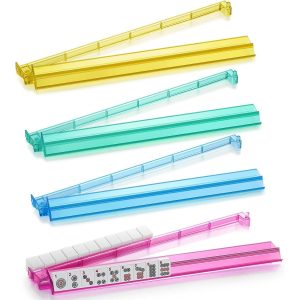
A mahjong rack is a sloped holder that sits in front of each player. It serves two purposes: the lower shelf holds your concealed hand tiles so only you can see them, while the upper ledge displays tiles you have exposed during play — pungs, kongs, and quints — for everyone at the table to read. Without a proper mahjong tile rack, your tiles would lie flat on the mat, visible to opponents and awkward to organize.
The mahjong pusher (sometimes called a push bar or push-out bar) is the flat panel attached to or resting against the front of the rack. When it is time to break the wall, you slide the pusher forward to push the stacked tiles toward the center of the table. Beyond that mechanical role, the pusher also acts as a visual and physical boundary between your concealed tiles and the communal play area. Together, mah jongg pushers and racks create a clean, organized playing surface that keeps the game moving.
Why the Right Rack and Pusher Matter
You might wonder whether mahjong racks are really worth the investment when any flat surface could technically hold tiles. The answer comes down to three things: tile stability, visibility, and game flow.
- Tile stability. A quality mahjong tile rack keeps your hand upright and prevents accidental toppling when the table bumps or a sleeve brushes past. Cheap or undersized mahjong racks let tiles lean, making it hard to scan your hand quickly.
- Clear exposure display. When you call a tile and build an exposure, the upper ledge of your mah jongg racks should hold those tiles at an angle every player can read without leaning forward.
- Smooth wall breaks. A mahjong pusher that glides cleanly — not one that sticks or wobbles — lets you break the wall in one motion, keeping the pace brisk.
- Comfort over long sessions. Many mah jongg groups play for two to four hours at a stretch. Ergonomic rack angles and smooth pusher edges reduce hand fatigue compared to fumbling with tiles on a flat surface.
In short, mahjong pusher racks are not a luxury — they are functional equipment that directly affects how comfortably and efficiently you play.
Types of Mahjong Racks by Material
The material of your mahjong racks influences weight, durability, aesthetics, and price. Here is a breakdown of the three most common options available when shopping for mahjong racks for sale.
Plastic Mahjong Racks
Plastic mahjong racks are the most affordable entry point. They are lightweight, which makes them popular among players who travel to friends’ houses or tournaments. The trade-off: lighter weight means the rack can slide on the mat during aggressive wall breaks, and the feel is less premium. Most plastic mah jongg racks top out around 18.5 inches in length, which works well for traditional-size tiles but may feel cramped with large-format tiles and a full NMJL card hand.
Acrylic Mahjong Racks
An acrylic mahjong pusher and rack set delivers a noticeably heavier, more stable experience on the mat. The transparency of acrylic gives modern mah jongg racks a sleek, contemporary look that pairs well with designer tile sets and colored mats. Acrylic is strong but can scratch if stored loosely with other accessories. Most premium acrylic mahjong tile racks are sized at 19–20 inches to accommodate large-format tiles comfortably.
Wooden Mah Jong Racks
Wooden mah jong racks offer a classic, warm aesthetic that appeals to players who favor tradition. They are sturdy and resist scratching better than acrylic, though they can chip or dent if dropped. Wooden mahjong racks tend to be heavier than plastic but lighter than acrylic, landing somewhere in the middle on the stability scale.
| Material | Weight | Durability | Price Range | Best For |
|---|---|---|---|---|
| Plastic | Light | High (flexible) | $8 – $25 | Travel, beginners |
| Acrylic | Heavy | Moderate (scratch-prone) | $25 – $35 | Home use, display-worthy sets |
| Wood | Medium | High (chip-resistant) | $45–$80 | Traditional aesthetics |
Hinged vs. Magnetic Pushers — Which Works Better?
Beyond material, the pusher attachment mechanism is the next major decision when choosing mah jongg pushers and racks. Two designs dominate the market:
- Hinged pushers are connected to the rack by a small hinge or pivot pin. They fold flat against the rack when not in use and swing outward when you need to break the wall. Hinged mahjong pushers are the traditional choice found on most plastic and many wooden mahjong racks. They are reliable and inexpensive, though some players find them slightly less stable during the push because the hinge can introduce a small amount of play.
- Magnetic pushers attach to the rack via embedded magnets. You simply pull the pusher off the rack, push the wall, and snap it back into place. Magnetic pushers sit flush against the rack with no visible hardware, giving a cleaner look. They also allow compact storage since the pusher detaches completely. The trade-off is a higher price point and the possibility of magnets weakening over many years of heavy use.
Both styles work well for casual and competitive play. If you prioritize a streamlined look and easy storage, magnetic mah jongg pushers are the way to go. If budget matters more, hinged pushers get the job done without compromise.
How to Choose the Right Mahjong Rack for Your Tiles
With so many mahjong racks for sale online, narrowing the field comes down to matching the rack to your specific setup. Consider these factors:
- Tile size. Measure your tiles. Traditional American Mahjong tiles are roughly 1.25 inches tall; large-format tiles can be 1.5 inches or taller. For large-format tiles with a full 152-tile NMJL hand, you need mahjong tile racks at least 19 inches long. Smaller traditional tiles work fine with 18-inch or 18.5-inch mahjong racks.
- Number of tiles in play. If your group plays with 152 tiles (standard NMJL), a 19-inch rack handles the maximum hand length. If you play with 160 tiles (a common house rule adding blanks and extra jokers), consider going up to 20 inches for breathing room.
- Pusher type preference. Decide between hinged and magnetic mah jongg pushers based on the criteria above.
- Portability needs. If you carry your mahjong pusher racks to weekly games at different locations, lighter plastic or a compact travel rack saves weight. If your set stays at a dedicated mahjong table, heavier acrylic mahjong racks deliver superior stability.
- Aesthetic match. Many players coordinate rack color with their mat, tile set, and room décor. Acrylic mahjong racks often come in tinted or frosted finishes; wooden mah jong racks in natural or stained tones; plastic in a wide range of solid colors.
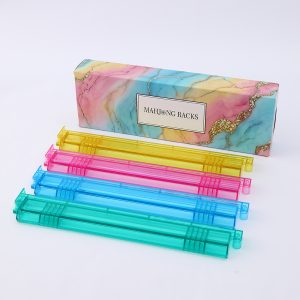
When browsing mah jongg pushers and racks for sale, pay attention to whether the listing includes a full four-player set or individual racks. Most groups need four mahjong racks and four pushers — some sellers bundle these as a complete set, which is usually more cost-effective than buying pieces separately.
Where to Find Quality Mahjong Racks for Sale
The market for mah jongg racks for sale has expanded well beyond generic game-store options. According to the National Mah Jongg League, American Mahjong uses a standard set of 152 tiles and requires racks for each player, so choosing the right equipment matters. Today you can find mahjong racks from dedicated mahjong accessory brands, specialty online retailers, and direct-from-manufacturer shops. Here is what to look for:
- Reputable mahjong-focused brands that design specifically for NMJL-style American Mahjong tend to get sizing right the first time — proper rack length, appropriate pusher height, and tile-friendly grooves.
- Customer reviews that mention real tile sizes. A review that says “fits my large-format tiles perfectly” tells you more about mahjong tile racks than a generic five-star rating.
- Return policies. Because rack fit depends on your specific tile set, a seller with a reasonable return window gives you room to test mah jongg racks without risk.
For players ready to upgrade their setup, the mahjong rack collection at SoMahj offers purpose-built options including a 4-piece mahjong rack set with pushers and a portable tile push rack — both designed for smooth gameplay and clean table presentation.
Final Thoughts
Mahjong pushers and racks are far more than simple holders — they shape how you interact with every tile, every exposure, and every wall break across hundreds of hands. Investing in mahjong racks that match your tile size, play style, and aesthetic preferences transforms the game from a casual pastime into a polished, comfortable experience. Whether you choose lightweight plastic for travel, premium acrylic mahjong pusher sets for your home table, or classic wood for tradition, the right mahjong pusher racks will keep your tiles organized, your exposures readable, and your game flowing smoothly round after round.
Mahjong sets & accessories from this guide
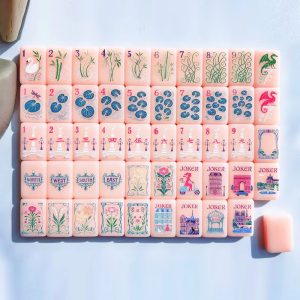
Crystal Luxe American Mahjong Tiles
$179 $200
Prices are in USD. SO MAHJ ships from our own workshop; see each product page for shipping and returns.